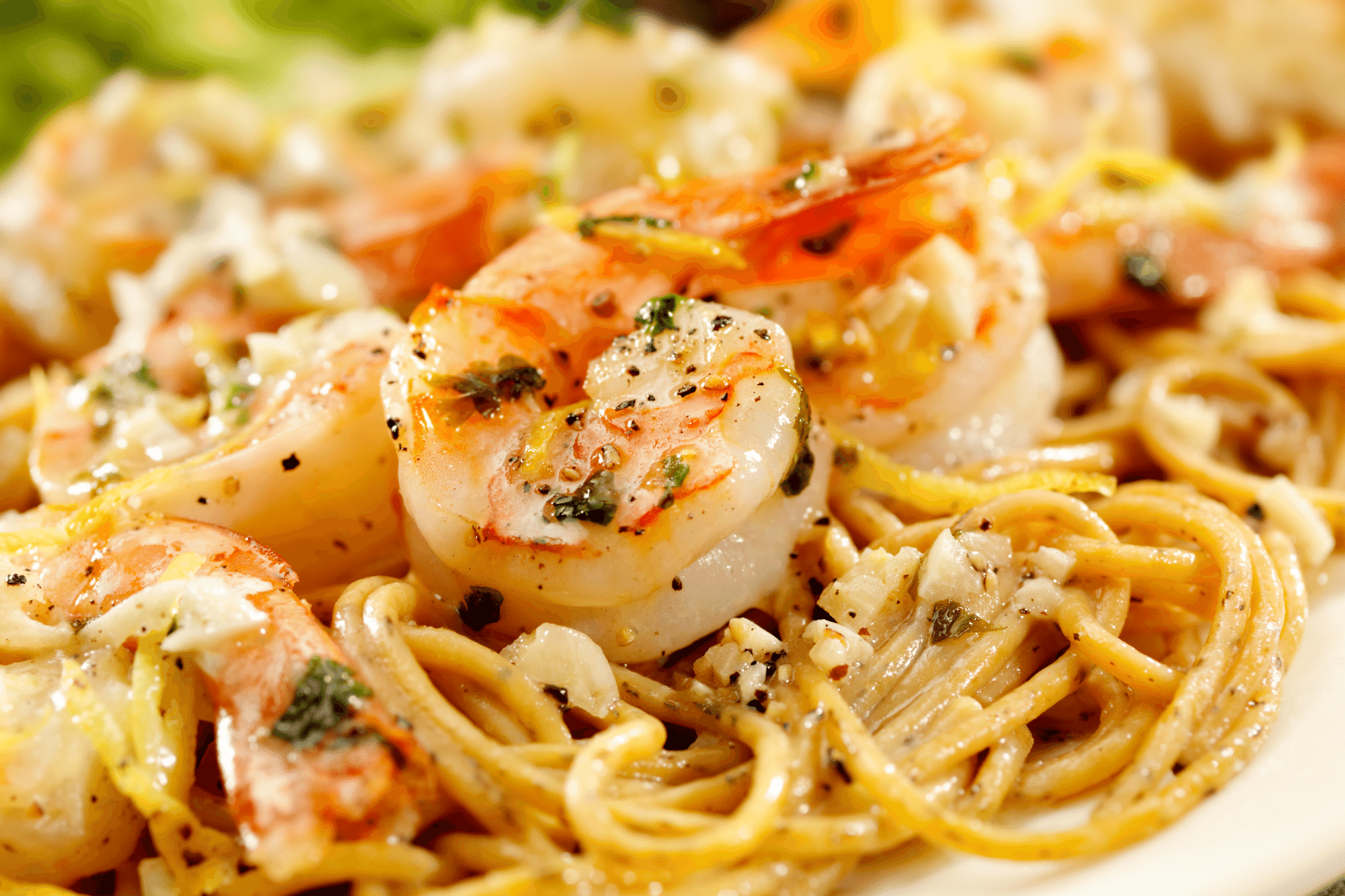





This capellini with shrimp in spicy tomato cream sauce is one of those recipes I come back to again and again when I want something that feels indulgent but takes barely 30 minutes from pantry to plate. The sauce comes together in a single pan — diced tomatoes with green chiles bring a gentle, smoky heat, white wine adds brightness, and heavy cream pulls it all into a silky, cling-to-every-strand coating.
What really makes this dish sing is the technique of transferring the capellini straight from the boiling water into the sauce with tongs. That starchy pasta water emulsifies the cream and tomatoes into something far more cohesive than you’d expect from such a short ingredient list. The shrimp poach directly in the simmering sauce, which keeps them impossibly tender.
If you love shrimp pasta but want something with real kick and soul-warming richness, this is the recipe to bookmark.
Capellini with Shrimp in Spicy Tomato Cream Sauce
Equipment
- Large high-sided sauté pan (12-inch / 30cm)
- Large pot for boiling pasta (6-quart / 5.7L)
- Kitchen tongs
- Wooden spoon or silicone spatula
- Colander (optional, for shrimp prep)
Ingredients
- 1 pound capellini 450g, dried
- 1 pound medium shrimp 450g, peeled and deveined
- 2 tablespoons olive oil 30ml
- 2 cloves garlic minced
- ½ cup dry white wine 120ml
- 20 ounces diced tomatoes with green chiles 565g, such as Rotel — about 1½ standard 10-oz cans or one 14.5-oz can plus one 10-oz can
- 1 cup heavy cream 240ml
- 2 tablespoons fresh Italian parsley 8g, chopped
- Salt and freshly ground black pepper to taste
Instructions
- Place a large, high-sided sauté pan over medium-high heat. Add the olive oil and heat for about 1 minute until shimmering.
- Add the minced garlic and sauté for 1 minute, stirring constantly, until fragrant but not browned.
- Carefully add the white wine — it will spatter, so stand back. Let it reduce by half, about 2 minutes.
- Add the diced tomatoes with green chiles and the heavy cream. Season with salt and pepper. Stir to combine and bring to a gentle simmer.
- Add the shrimp to the sauce in a single layer. Let them poach in the simmering sauce for 3–4 minutes until pink and just cooked through. Do not boil.
- Meanwhile, bring a large pot of water to a rolling boil and add a few tablespoons of salt. Add the capellini and cook for about 3 minutes (or 1 minute less than the package directs) until just shy of al dente.
- Using tongs, transfer the pasta directly from the boiling water into the sauté pan — let some pasta water cling to the strands. The starchy water will help emulsify and tighten the sauce.
- Toss vigorously to combine everything. If the sauce seems thick, add a splash of reserved pasta water. Finish with the chopped parsley and serve immediately.
Notes
- Storage: Refrigerate leftovers in an airtight container for up to 2 days. The pasta will absorb sauce as it sits — add a splash of cream or pasta water when reheating.
- Reheating: Warm gently in a skillet over medium-low heat with a tablespoon of water or cream. Avoid the microwave, which tends to make shrimp rubbery.
- Make-ahead: Prepare the sauce up to 24 hours in advance and refrigerate. Reheat the sauce, poach the shrimp, and cook fresh pasta when ready to serve.
- Substitution: Swap shrimp for bay scallops or chunks of firm white fish like cod — adjust poaching time accordingly.
- Pro tip: Transfer the pasta to the sauce using tongs rather than draining — the clinging pasta water emulsifies the cream sauce and prevents it from breaking.
Nutrition
What Makes This Capellini with Shrimp Special
Most shrimp pasta recipes either drown the pasta in sauce or leave the shrimp overcooked and rubbery. This recipe avoids both pitfalls with two smart techniques.
First, the shrimp poach directly in the simmering sauce. Rather than searing them separately and adding them back (which risks overcooking), the shrimp cook gently in the tomato cream at a low simmer. This keeps them plump and tender while infusing the sauce with their natural sweetness.
Second, the pasta finishes in the sauce pan. Transferring capellini straight from the boiling water — with starchy water still clinging to the strands — creates an emulsion that binds the cream and tomatoes into a cohesive, glossy coating. No broken sauce, no pools of oil on the plate.
The green chiles in the diced tomatoes (Rotel-style) add a subtle, smoky heat that builds warmth without overwhelming the dish. Combined with the white wine’s acidity and the richness of heavy cream, you get a sauce with genuine complexity from remarkably few ingredients.
Equipment You’ll Need
- Large high-sided sauté pan (12-inch / 30cm) — The high sides are essential here. You need enough room to add the pasta directly to the sauce and toss it without splattering cream sauce across your stovetop. A shallow skillet won’t cut it.
- Large pot for boiling pasta (6-quart / 5.7L) — Capellini is extremely thin and sticks to itself easily. A large pot with plenty of water gives the strands room to move freely, preventing clumps.
- Kitchen tongs — The single most important tool for this recipe. Tongs let you transfer the pasta from the water to the sauce while keeping starchy water on the strands, which is the key to a silky finished sauce.
- Wooden spoon or silicone spatula — For stirring the sauce as the cream and tomatoes come together, and for gently folding in the shrimp without breaking them apart.
A colander is optional if you want to prep the shrimp, but you should not drain the pasta into one — the whole technique depends on transferring the pasta with tongs.
Tips for Best Results
- Don’t overcook the shrimp. They should be pink and just opaque in the centre — carry-over heat from the sauce will finish them. If they curl into tight C-shapes, they’re overdone.
- Cook capellini 1 minute less than the package directs. It will finish cooking in the sauce pan. Angel hair goes from al dente to mushy in seconds, so watch it closely.
- Reduce the wine properly. Let it cook down by half before adding the tomatoes and cream. This concentrates the flavour and cooks off the raw alcohol taste.
- Reserve extra pasta water. Before you start transferring pasta, ladle out about 1 cup of the starchy cooking water. You may need it to loosen the sauce after tossing — capellini absorbs liquid fast.
- Serve immediately. Capellini waits for no one. It absorbs sauce and sticks together as it cools. Have your bowls warmed and your diners seated before you start tossing.
Substitutions and Variations
- Pasta: Spaghettini or thin linguine work if you can’t find capellini. Adjust cook time according to the package — the technique stays the same.
- Protein: Bay scallops poach beautifully in this sauce (2–3 minutes). Large sea scallops should be seared separately and added at the end. Chunks of cod or halibut also work well — increase poaching time to 5–6 minutes.
- Heat level: For more spice, add ¼ teaspoon of crushed red pepper flakes with the garlic. For less heat, use plain diced tomatoes and skip the green chiles entirely.
- Wine: A dry Sauvignon Blanc or Pinot Grigio works best. If you prefer not to cook with alcohol, substitute with ½ cup of low-sodium chicken broth plus 1 teaspoon of white wine vinegar.
- Cream: Half-and-half will work in a pinch but produces a thinner sauce. Coconut cream creates a dairy-free version with a slightly different flavour profile.
- Tomatoes: If you can’t find Rotel, combine one 14.5-oz can of diced tomatoes with one 4-oz can of diced green chiles.
Storage and Reheating
Refrigerator: Store leftovers in an airtight container for up to 2 days. The capellini will absorb the sauce as it sits, so add a splash of cream or water when reheating.
Reheating: Warm gently in a skillet over medium-low heat with a tablespoon of cream or water, tossing frequently until heated through. The microwave will make the shrimp rubbery — avoid it if possible.
Freezing: This dish does not freeze well. Capellini turns mushy when frozen and thawed, and the cream sauce can separate. If you want to meal prep, freeze the sauce (without shrimp) for up to 1 month. Thaw in the refrigerator overnight, reheat, and then poach fresh shrimp and cook fresh pasta to serve.
Make-ahead: Prepare the tomato cream sauce up to 24 hours in advance and refrigerate. When ready to serve, reheat the sauce to a simmer, poach the shrimp in it, and cook fresh capellini.
What to Serve With This
- Garlic bread or crusty Italian bread — essential for mopping up every last drop of that spicy cream sauce.
- Simple green salad — dressed with lemon vinaigrette to cut through the richness of the cream.
- Roasted broccolini or asparagus — a lightly charred green vegetable adds contrast in both flavour and texture.
- Sautéed zucchini with Parmesan — keeps the Italian theme going without competing with the pasta.
- A crisp white wine — Sauvignon Blanc or Vermentino pairs beautifully with the spicy tomato cream and shrimp.
Frequently Asked Questions
Can I use frozen shrimp for this recipe?
Absolutely. Thaw them completely in the refrigerator overnight or under cold running water for 15–20 minutes. Pat them dry with paper towels before adding to the sauce — excess moisture will dilute your cream sauce and prevent proper poaching.
What size shrimp works best?
Medium shrimp (31–40 count per pound) are ideal. They poach evenly in 3–4 minutes and are the right proportion for twirling with capellini. Jumbo shrimp take longer to cook through and can throw off the timing of the sauce.
Can I make this less spicy?
Yes. Replace the diced tomatoes with green chiles (Rotel) with plain diced tomatoes. You’ll lose the smoky heat but keep the creamy tomato base. If you want just a hint of warmth, use plain diced tomatoes and add a small pinch of red pepper flakes when sautéing the garlic.
Why is my sauce breaking or looking greasy?
This usually happens when the sauce boils too hard after adding the cream. Keep it at a gentle simmer — you should see lazy bubbles, not a rolling boil. Also, make sure you’re transferring starchy pasta water with the capellini. That starch acts as an emulsifier and keeps the cream and tomato unified.
Can I add vegetables to this dish?
Spinach, cherry tomatoes, or thinly sliced bell peppers all work well. Add spinach in the last minute of tossing so it just wilts. Cherry tomatoes and peppers should be sautéed with the garlic at the start so they soften before the wine goes in.
What can I use instead of white wine?
Substitute ½ cup of low-sodium chicken broth plus 1 teaspoon of white wine vinegar or lemon juice. The broth adds body while the acid mimics the brightness that wine contributes. Avoid cooking wines — they’re loaded with sodium and have an unpleasant flavour.
The Story Behind Spicy Tomato Cream Pasta
Tomato cream sauces occupy a beloved middle ground in Italian-American cooking — richer than marinara, lighter than Alfredo. The style gained widespread popularity in American restaurants during the 1980s and 1990s, when cream-based pasta dishes dominated menus. Adding diced tomatoes with green chiles — a distinctly Southwestern American ingredient popularised by the Rotel brand — gives this dish a Tex-Mex twist that sets it apart from traditional Italian preparations. It’s a perfect example of how immigrant food traditions evolve and merge with local ingredients to create something entirely new and delicious.
If you make this capellini with shrimp, I’d love to hear how it turned out — drop a star rating and leave a comment below to let me know!