





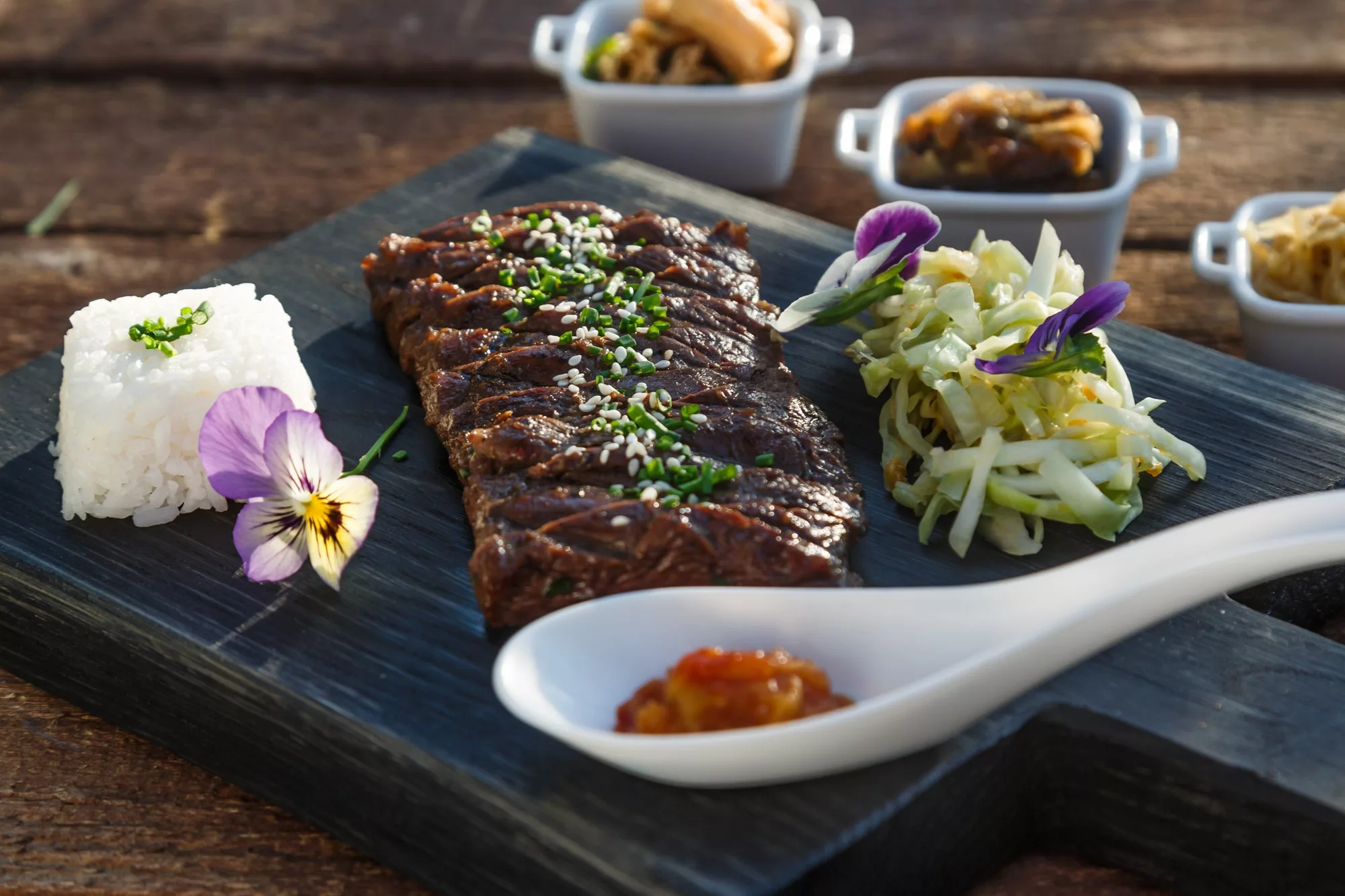
If you’ve never made Korean beef bulgogi at home, you’re in for a treat. This is one of my favourite recipes to pull out when I want something that tastes like it came from a Korean BBQ restaurant but takes almost no hands-on effort.
The secret is all in the marinade — soy sauce, sesame oil, garlic, sugar, and a shower of sesame seeds come together to create that signature sweet-savoury glaze that caramelises beautifully over high heat. I like to use sirloin steak sliced thin so it picks up maximum flavour and cooks in just a couple of minutes per side.
The best part? You do all the real work the night before. Just toss the beef in the marinade, refrigerate overnight, and when you’re ready to eat, it’s four minutes on the grill and dinner is done. Serve it over steamed rice with some pickled vegetables and you’ve got a meal that punches well above its effort level.
This bulgogi is the perfect excuse to fire up the grill tonight — let me show you exactly how I make it.
Korean Beef Bulgogi
Ingredients
- 1 pound sirloin steak sliced thinly against the grain into 4 equal pieces
- 2 tablespoons sesame oil
- 2 tablespoons sesame seeds
- 2½ tablespoons white granulated sugar
- ½ teaspoon black pepper
- 2 tablespoons garlic minced
- ¼ cup green onion chopped
- 5 tablespoons soy sauce
- 1 tablespoon neutral oil for greasing the grill grate (vegetable or canola)
Instructions
- Place the thinly sliced beef into a shallow dish or large zip-lock bag, spreading the pieces out so they can be evenly coated.
- In a small bowl, whisk together the soy sauce, green onion, garlic, black pepper, sugar, sesame oil, and sesame seeds until the sugar dissolves. Pour the marinade over the beef and toss or massage until every piece is evenly coated.
- Cover the dish tightly with cling film (or seal the zip-lock bag) and refrigerate for at least 1 hour, or ideally overnight (up to 24 hours) for the best flavour.
- Remove the beef from the fridge 15 minutes before cooking to take the chill off. Preheat your grill to high heat (around 450°F / 230°C). Lightly oil the grate with a paper towel dipped in neutral oil to prevent sticking.
- Grill the beef over high heat for 2 minutes per side until lightly charred and cooked through. The pieces are thin, so watch them carefully — they can go from perfectly caramelised to overcooked quickly. You're looking for slightly crisp edges with a juicy centre.
- Transfer the bulgogi to a serving plate and let it rest for 1 minute. Serve immediately with steamed rice, kimchi, and your choice of side vegetables such as sautéed spinach, pickled radish, or a crisp lettuce wrap.
Nutrition
What Makes This Korean Beef Bulgogi Special
What sets this bulgogi apart from a generic steak marinade is the balance of flavours. The soy sauce provides deep umami, the sugar caramelises over high heat to create those signature charred edges, and the sesame oil and seeds add a nutty richness that ties everything together. Using sirloin keeps this recipe affordable while still delivering tender, flavourful slices — especially when you cut against the grain and let the marinade work overnight.
Unlike restaurant bulgogi that often uses pear juice or mirin for tenderising, this version keeps things stripped back to pantry staples you probably already have. The result is honest, no-fuss Korean BBQ that tastes authentic without requiring a trip to an Asian grocery store.
Tips for Best Results
- Slice the beef as thin as possible. Pop the sirloin in the freezer for 20-30 minutes before slicing — the firmness makes it much easier to get paper-thin cuts that cook quickly and absorb more marinade.
- Marinate overnight, not just one hour. An hour will give you flavour on the surface, but overnight lets the soy sauce and sugar penetrate deep into the meat for bulgogi that’s seasoned all the way through.
- Get the grill screaming hot. You want those charred, slightly crispy edges. If the grill isn’t hot enough, the beef will steam instead of sear and you’ll miss out on the caramelisation that makes bulgogi special.
- Don’t overcrowd the grill. Leave space between each piece so heat circulates evenly. Work in batches if needed.
- Let it rest for one minute after grilling. Even thin slices benefit from a brief rest — the juices redistribute and you’ll get a more tender bite.
Substitutions and Variations
- Beef cuts: Ribeye is the traditional premium choice for bulgogi and has more fat marbling. Flank steak is leaner and chewier but works well sliced very thin. Skirt steak is another excellent option.
- No grill? Cook the bulgogi in a cast-iron skillet over high heat. You’ll get a similar sear, and it’s easier to control. Don’t overcrowd the pan — work in two batches.
- Sugar swap: Replace the white sugar with 2 tablespoons of Asian pear purée or honey for a more traditional flavour profile and slightly different caramelisation.
- Add Korean chilli flakes (gochugaru): For a spicy version, add 1-2 teaspoons of gochugaru to the marinade. This gives a gentle heat with a smoky, fruity warmth.
- Make it gluten-free: Swap standard soy sauce for tamari (check it’s labelled gluten-free). Everything else in this recipe is naturally gluten-free.
- Pork bulgogi (dwaeji bulgogi): Substitute thinly sliced pork shoulder and add 1 tablespoon of gochujang to the marinade for the spicy pork version.
Storage and Reheating
- Fridge: Store cooked bulgogi in an airtight container for up to 3 days. The flavour actually deepens overnight as the marinade continues to season the meat.
- Freezer (raw): Freeze the marinated, uncooked beef flat in a zip-lock bag for up to 3 months. Thaw in the fridge overnight before grilling.
- Freezer (cooked): Cooked bulgogi freezes well for up to 2 months. Thaw in the fridge and reheat in a hot skillet.
- Reheating: Always reheat in a hot skillet or on the grill to restore the charred texture. The microwave will make the thin slices rubbery and lifeless. Reheat for 1-2 minutes per side until sizzling.
What to Serve With This
Korean beef bulgogi is traditionally served as part of a spread with multiple side dishes (banchan). Here are the best accompaniments:
- Steamed white rice — the classic pairing that soaks up the sweet-savoury juices.
- Kimchi — the tangy, spicy fermented cabbage cuts through the richness of the beef perfectly.
- Lettuce wraps (ssam) — wrap a slice of bulgogi in a butter lettuce leaf with a dab of ssamjang (Korean dipping paste) for a fresh, crunchy bite.
- Pickled radish (danmuji) — the sweet-tart crunch balances the heavy umami of the beef.
- Japchae (glass noodles) — sweet potato noodles stir-fried with vegetables makes this a more substantial meal.
- Sautéed spinach (sigeumchi namul) — lightly seasoned with sesame oil and garlic, it’s a refreshing contrast.
- Bibimbap style: Serve the bulgogi over rice with a fried egg, sautéed vegetables, and gochujang for a one-bowl meal.
Frequently Asked Questions
What cut of beef is best for bulgogi?
Sirloin is a great everyday choice — it’s affordable and tender when sliced thin. For a more premium version, use ribeye which has more fat marbling and richer flavour. Flank steak and skirt steak also work well but should be sliced as thin as possible and always cut against the grain.
Can I make bulgogi without a grill?
Absolutely. A cast-iron skillet over high heat is the best indoor alternative. Get the pan smoking hot before adding the beef and cook in batches to avoid overcrowding — you want a hard sear, not steaming. A grill pan with ridges also works and gives you some char marks.
How long should I marinate the beef?
A minimum of 1 hour will give surface-level flavour, but overnight (8-12 hours) is ideal. The soy sauce and sugar need time to penetrate into the thin slices. Don’t go beyond 24 hours — the high salt content will start to cure the beef and change the texture.
Is bulgogi spicy?
This classic recipe is not spicy at all. Traditional beef bulgogi is sweet and savoury. If you want heat, add 1-2 teaspoons of gochugaru (Korean chilli flakes) or a tablespoon of gochujang (Korean chilli paste) to the marinade. Spicy pork bulgogi (dwaeji bulgogi) is the traditionally spicy variation.
Why is my bulgogi tough?
The two most common reasons are slicing too thick and cooking too long. Bulgogi should be sliced paper-thin — freeze the steak for 20-30 minutes first for easier slicing. On a hot grill, 2 minutes per side is all you need. Overcooking thin beef turns it chewy and dry.
Can I use this marinade for chicken?
Yes — boneless, skinless chicken thighs work particularly well. Slice them into thin strips and marinate for 2-4 hours (chicken absorbs flavour faster than beef). Grill or pan-fry over medium-high heat until cooked through, about 3-4 minutes per side.
What does bulgogi mean?
Bulgogi (불고기) translates literally to “fire meat” in Korean — “bul” means fire and “gogi” means meat. It refers to the traditional method of grilling marinated meat over an open flame. Bulgogi has been a staple of Korean cuisine for centuries and is one of the country’s most recognised dishes internationally.
The History of Bulgogi
Bulgogi’s origins trace back to the Goguryeo era (37 BC – 668 AD) in Korea, where it was known as maekjeok — skewered and grilled meat. During the Joseon Dynasty (1392-1897), the dish evolved into neobiani, a thinly sliced, marinated beef dish reserved for the royal court and the upper class. The use of soy sauce, sesame oil, and sugar as a marinade became standard during this period.
After the Korean War, bulgogi became more widely accessible as beef production increased and outdoor grilling became a social activity. Today, it’s a cornerstone of Korean BBQ culture, served in restaurants worldwide and cooked at home for family gatherings. The communal aspect — grilling at the table and sharing banchan — is central to the bulgogi experience and reflects the Korean emphasis on eating together.
If you try this Korean beef bulgogi recipe, I’d love to hear how it turned out — feel free to leave a star rating and drop a comment below with your thoughts or any twists you made!


