




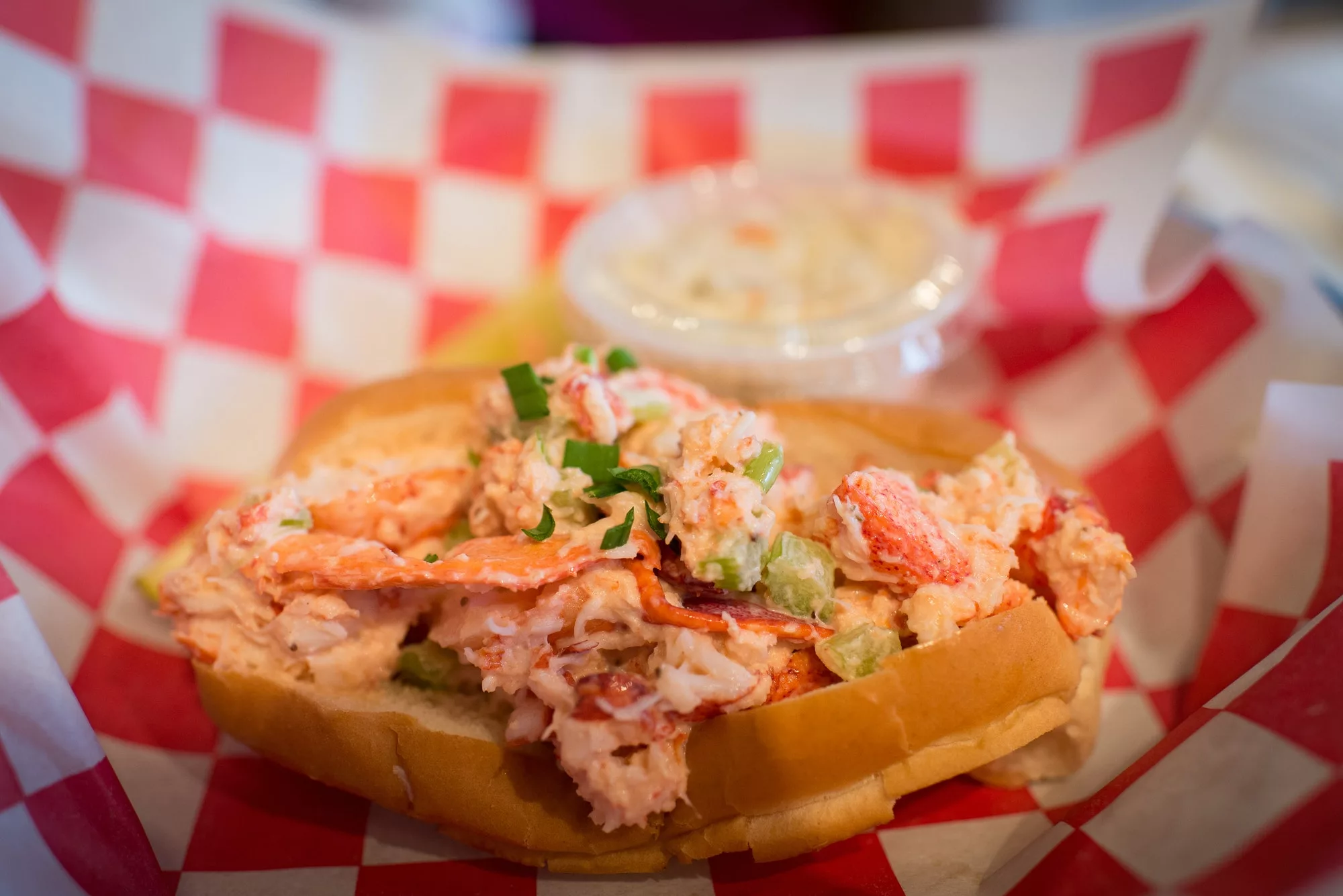
I order lobster rolls at every single restaurant that has them on the menu — no hesitation, no scanning the rest of the list. So when I set out to make a healthy lobster roll at home, I needed it to live up to every buttery, overstuffed roll I have ever inhaled in NYC.
The trick is swapping out the heavy mayo for Vegenaise and stirring in a teaspoon of white miso dissolved in hot water. That tiny addition brings a savoury, umami depth that makes you forget you left the butter out entirely. A spoonful of Dijon mustard rounds out the dressing with a gentle kick.
The whole thing comes together in about 25 minutes, most of which is prep — you only need the oven long enough to toast the buns. It is an ideal summer lunch, a quick weeknight dinner, or an impressive appetizer when friends come over. If you have been craving restaurant-quality lobster rolls without the calorie bomb, this lighter version delivers exactly that.
Healthy Lobster Rolls (Light Mayo-Free Recipe)
Ingredients
- 1 tablespoon Dijon mustard
- 1 teaspoon white miso paste
- 1 teaspoon boiling water for dissolving miso
- ¼ teaspoon coarse salt plus more to taste
- ¼ teaspoon freshly ground black pepper plus more to taste
- 1 cup cooked lobster meat about 145g / 5oz
- 2 pieces split-top hot dog buns New England style preferred
- 1 tablespoon minced fresh chives plus extra for garnish
- ¼ cup Vegenaise egg-free mayonnaise
- 1 small clove garlic finely chopped, optional for buns
- butter or yogurt butter optional, for toasting buns
Instructions
- Spoon together the Vegenaise, mustard, miso mixture, salt, pepper and chives or other herbs. Save some herbs to top your rolls at the end.
- Gently fold the cooked lobster meat into the dressing until evenly coated. Be careful not to break the lobster pieces up too much — you want chunky bites.
- Toast the buns in a toaster or under the oven grill / broiler at 400°F / 200°C for 2–3 minutes until golden. If desired, spread a thin layer of butter or yogurt butter and a little chopped garlic on the cut sides before toasting.
- Top each sandwich with the lobster mixture, then chives or the herbs of your choice and a little more salt and pepper.
- Serve immediately while the buns are still warm. Pair with kettle chips, coleslaw, or a simple green salad.
Nutrition
What Makes This Healthy Lobster Roll Special
Most lobster rolls drown beautiful lobster meat in a quarter cup of full-fat mayonnaise and a generous pour of melted butter. This version gets its creaminess from Vegenaise — a plant-based mayo that cuts the saturated fat significantly without sacrificing the rich, smooth mouthfeel you expect.
The real secret weapon is white miso paste. Dissolving just a teaspoon in hot water and stirring it into the dressing adds a savoury, umami backbone that mimics the depth you get from butter-laden versions. Combined with Dijon mustard, it creates a dressing that is complex, tangy, and deeply satisfying.
The result is a lobster roll that tastes indulgent but sits lighter — perfect for a summer lunch or weeknight dinner when you want something special without the heaviness.
Equipment You’ll Need
- Mixing bowl (medium) — You need enough room to fold the lobster gently without crushing the pieces. A bowl that is too small leads to overworking the meat.
- Silicone spatula — A fork or spoon tears lobster meat into shreds. A flexible spatula lets you fold the dressing through in two or three gentle passes, keeping those satisfying chunks intact.
- Small mallet or lobster cracker — If you are starting with whole cooked lobster rather than pre-picked meat, a mallet makes quick work of the claws and knuckles. A cracker works too but takes longer.
- Measuring spoons — The dressing proportions matter here. Too much Vegenaise and you lose the miso and mustard balance; too little and the filling feels dry.
- Toaster or baking sheet — A toaster is fastest for the buns, but a baking sheet under the grill gives you more control over the toast level and lets you add garlic butter before toasting.
Tips for Best Results
- Dissolve the miso fully. Stir the miso paste into the boiling water until completely smooth before adding it to the dressing. Undissolved miso creates intensely salty spots in an otherwise balanced filling.
- Use cold lobster meat. Whether you cook your own or buy pre-picked meat, make sure it is thoroughly chilled before folding it into the dressing. Warm lobster wilts the chives and thins the dressing.
- Do not over-mix. Two or three gentle folds with a spatula is enough. You want visible chunks of lobster, not a paste.
- Toast the buns right before serving. Soggy buns ruin even the best lobster filling. Toast them at the last minute and assemble immediately.
- Season at the end. Taste the finished lobster mixture before adding more salt — the miso and Vegenaise both bring sodium to the party.
Substitutions and Variations
- Vegenaise → Greek yogurt: Use ¼ cup plain full-fat Greek yogurt for a protein-rich swap. The filling will be tangier and slightly less creamy.
- Vegenaise → avocado mayo: Keeps the dairy-free angle with a slightly richer flavour. Use the same quantity.
- White miso → soy sauce: In a pinch, ½ teaspoon of low-sodium soy sauce provides similar umami, but the flavour profile shifts slightly saltier.
- Hot dog buns → butter lettuce wraps: For a low-carb or gluten-free option, spoon the lobster mixture into large butter lettuce cups.
- Lobster → langoustine or jumbo prawns: If lobster is out of budget, chopped cooked langoustine tails or large prawns make a delicious alternative.
- Chives → tarragon or dill: Both herbs are classic with lobster. Tarragon adds a subtle anise note; dill brings brightness.
Storage and Reheating
- Lobster mixture: Store in an airtight container in the fridge for up to 24 hours. Stir gently before serving — the dressing may separate slightly overnight.
- Assembled rolls: These do not store well. The buns absorb moisture from the filling and go soggy within an hour. Always assemble just before eating.
- Freezing: Do not freeze the lobster salad. The Vegenaise breaks down on thawing and the lobster becomes rubbery.
- Leftover lobster meat: Plain cooked lobster meat freezes well for up to 3 months in a sealed freezer bag. Thaw overnight in the fridge before using.
What to Serve With This
- Kettle-cooked potato chips — The classic lobster roll side. The crunch contrasts perfectly with the creamy filling.
- Tangy coleslaw — A vinegar-based slaw keeps the whole meal lighter and cuts through the richness of the lobster.
- Corn on the cob — Grilled or boiled, sweet corn is a natural partner for any New England seafood meal.
- Cucumber and radish salad — Thinly sliced with a rice vinegar dressing, this adds crunch and freshness without competing with the lobster.
- Chilled white wine or sparkling water with lemon — A crisp Sauvignon Blanc or Albariño pairs beautifully, or keep it simple with sparkling water and a lemon wedge.
Frequently Asked Questions
Can I use canned or frozen lobster meat?
Yes. Canned lobster works in a pinch — drain it thoroughly and pat it dry with paper towels before folding it into the dressing. Frozen lobster meat should be thawed overnight in the fridge and drained well. Fresh or freshly cooked lobster gives the best flavour and texture, but canned and frozen are perfectly acceptable for a weeknight meal.
What is Vegenaise and where can I buy it?
Vegenaise is a plant-based mayonnaise made by Follow Your Heart. It is egg-free and dairy-free, with a creamy texture very similar to traditional mayo. You can find it in the refrigerated section of most major supermarkets, health food shops, and online. If you cannot find it, any egg-free or vegan mayonnaise works as a substitute.
Is this recipe actually healthier than a traditional lobster roll?
Yes, meaningfully so. A classic lobster roll uses full-fat mayo and often a generous amount of melted butter on the bun. Vegenaise has roughly 35% less saturated fat than regular mayo, and skipping the butter saves another 100+ calories per roll. The miso provides depth without adding fat. You are looking at approximately 375 calories per roll versus 500–600+ for a traditional version.
Do I need to cook the lobster myself?
Not at all. Pre-cooked lobster meat — sold as picked tail and claw meat at most fishmongers and supermarket seafood counters — saves significant time. If you do cook your own, boil or steam a 1 to 1¼ pound lobster for 8–10 minutes, cool it in ice water, then pick the meat. One lobster yields roughly 1 cup of meat.
Can I make this ahead for a party?
You can prepare the lobster mixture up to 24 hours in advance and keep it refrigerated. Do not assemble the rolls until guests are ready to eat — toasted buns go soggy quickly. Set up a DIY station with the chilled lobster filling, toasted buns, extra chives, and lemon wedges so guests can build their own.
What type of bun works best?
Split-top New England hot dog buns are the gold standard because the flat sides toast evenly and create a cradle for the filling. If you cannot find them, brioche hot dog buns are an excellent alternative — they are slightly sweeter and richer. Standard side-split hot dog buns work too, though they are harder to toast on the flat sides.
The Story Behind the Lobster Roll
The lobster roll traces its roots to the northeastern United States, with both Connecticut and Maine claiming ownership. The Connecticut style serves warm lobster meat with drawn butter, while the Maine style — the inspiration for this recipe — features chilled lobster dressed in mayonnaise. The dish gained popularity in the 1920s and 1930s at roadside seafood shacks along the New England coast. What started as a humble way to use affordable lobster has become one of America’s most iconic sandwiches, now commanding premium prices at restaurants from Portland to Manhattan. This lighter version respects the Maine tradition while making the rolls something you can enjoy regularly without the indulgence guilt.
If you try this healthy lobster roll, I would love to hear how it turned out — leave a star rating and a comment below to let me know what you think!


