




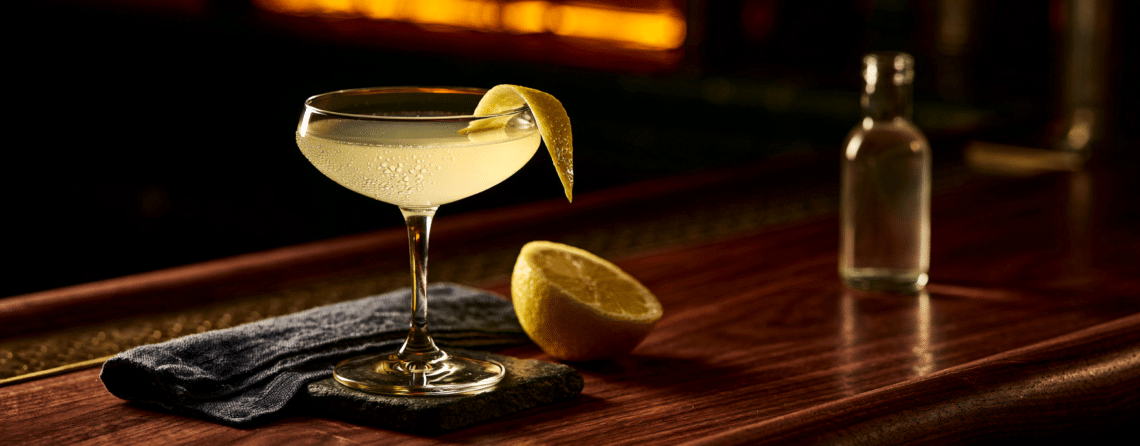
The Corpse Reviver #2 is a four-ingredient shaken cocktail — gin, Cointreau, Lillet Blanc, and fresh lemon juice — with a single dash of absinthe that pulls everything together. It takes five minutes, uses no special equipment beyond a shaker and a strainer, and tastes sharper and more interesting than most cocktails twice the effort. If you want something genuinely impressive to serve before dinner without spending the evening at the bar cart, this is it.
The technique that matters
Two things actually matter here: chilling the glass and shaking hard enough. A room-temperature coupe will warm the drink in under a minute — the ice-and-water chill step in the recipe card is not optional. On the shaking: 15 seconds of vigorous shaking does real work. It chills the liquid quickly, dilutes it slightly (which softens the alcohol edge), and gives the strained drink a faintly silky texture from the tiny air bubbles worked in. A gentle swirl will not get you there. Shake like you mean it, then strain immediately so the drink doesn’t sit on melting ice.
Ingredient notes
- Absinthe: You only need a dash — roughly ¼ teaspoon. A full bottle lasts a very long time at this rate. If you can’t find absinthe, Pernod or another anise-flavored liqueur works as a substitute, though the flavor will be slightly sweeter and less herbal.
- Lillet Blanc: This is a French aperitif wine, sold at most liquor stores near the vermouth. Once opened, store it in the fridge and use it within three to four weeks before the flavor fades. Cocchi Americano is the most common substitute and gives a slightly more bitter, quinine-forward result.
- Cointreau vs. generic triple sec: Cointreau is cleaner and less sweet. Generic triple sec works but can push the drink into candy territory — use it if that’s what you have, but pull back by a small splash.
- Gin: London Dry is the standard choice. A heavily floral gin (like Hendrick’s) shifts the drink noticeably — not wrong, just different. Stick with London Dry the first time.
Common problems and fixes
- Drink tastes too sharp or boozy: Your shaking time was probably short. More shaking means more dilution from the ice, which rounds out the alcohol. Try 15 full seconds next time.
- Too sweet: Check your lemon juice — bottled juice is often less acidic than fresh, which throws off the balance. Freshly squeezed lemon juice is genuinely necessary here, not a suggestion.
- Absinthe is overpowering: A “dash” is small — if you free-poured, you likely used too much. Use a bar spoon or measure carefully. One proper dash should be almost background flavor.
- Drink is warm by the time you serve it: The coupe wasn’t cold enough, or you waited too long after straining. Chill the glass, shake, strain, and serve immediately. This drink doesn’t hold.
- Cloudy or pulpy texture: Fresh lemon juice with pulp can make the drink look murky. Strain your lemon juice through a fine mesh before adding it to the shaker.
Keeping and reheating
This cocktail doesn’t keep. Once shaken and strained, serve it right away — it warms fast in the glass and the texture changes as the dilution settles. If you’re making drinks for a small group, you can pre-measure all the ingredients (except the ice) into a pitcher and refrigerate for up to two hours, then shake each drink to order. Skip the garnish — not worth the extra dish — the drink is complete without it.
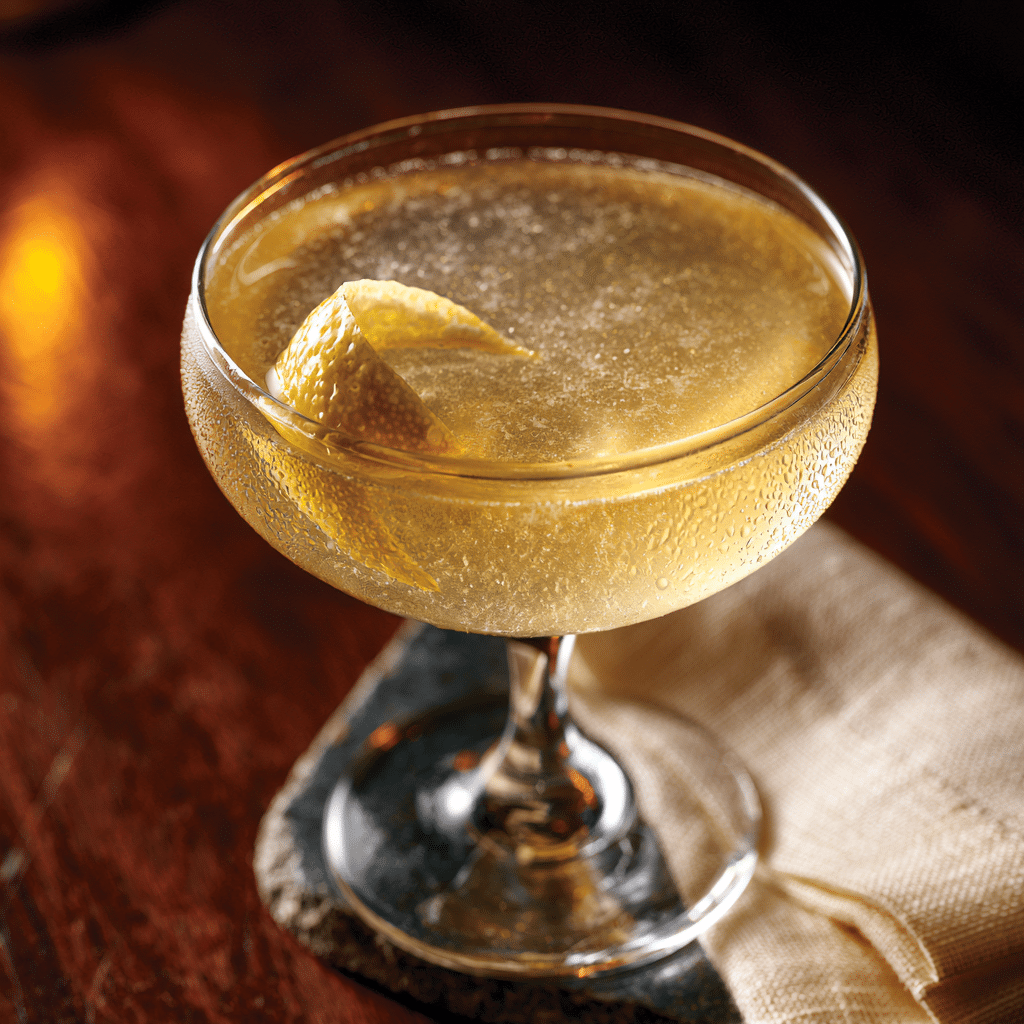
Corpse Reviver #2

Equipment
- Cocktail shaker (Boston or cobbler style)
- Hawthorne strainer
- Coupe glass or Nick & Nora glass
- Jigger (¾ oz measure)
- Citrus juicer or reamer
Ingredients
- ¾ ounce gin 22ml, preferably London Dry or a floral variant
- ¾ ounce Cointreau 22ml, a quality triple sec can be substituted
- ¾ ounce Lillet Blanc 22ml, well chilled
- ¾ ounce fresh lemon juice 22ml, about half a lemon
- 1 dash absinthe about ⅛ teaspoon / 0.5ml
- 11.6 ounce ice for shaking and chilling the glass
Instructions
- Fill a coupe glass with ice and cold water and set aside for at least 2 minutes while you prepare the cocktail. This ensures the glass is properly chilled.11.6 ounce ice
- In a shaker filled with ice, combine gin, Cointreau, Lillet Blanc, fresh lemon juice, and a dash of absinthe.3/4 ounce gin, 3/4 ounce Cointreau, 3/4 ounce Lillet Blanc, 3/4 ounce fresh lemon juice, 1 dash absinthe, 11.6 ounce ice
- Seal the shaker and shake vigorously for 15 seconds — the outside of the shaker should feel ice-cold and frosted when ready.
- Discard the ice and water from the chilled coupe glass, then strain the cocktail into the glass using a Hawthorne strainer. Serve immediately.
Notes
Nutrition
FAQ
What does a Corpse Reviver #2 taste like?
It’s citrusy, slightly herbal, and dry — closer to a sour than a sweet cocktail. The absinthe is subtle in the background, and the overall effect is bright and clean rather than heavy.
Can I make this without absinthe?
Yes, Pernod or another anise liqueur works as a direct swap at the same quantity. If you have nothing anise-flavored at all, leave it out — the drink is still good, just less distinctive.
Do I need a coupe glass, or can I use something else?
Any chilled stemmed glass works fine, including a martini glass or even a small wine glass. The coupe is traditional but not functional — what matters is that the glass is cold.
Can I batch this for a party?
Yes. Multiply all the ingredients by the number of servings and combine them in a pitcher without ice. Refrigerate until ready, then shake each portion individually over ice and strain to order — don’t shake the whole batch at once.
Is Lillet Blanc the same as dry vermouth?
No — they’re both fortified wines but they taste quite different. Lillet Blanc is softer and slightly honeyed; dry vermouth is sharper and more savory. Substituting vermouth will change the drink noticeably, so Lillet or Cocchi Americano is worth seeking out.
How strong is this cocktail?
It’s moderately strong — three of the four main ingredients contain alcohol. At standard pours the ABV of the finished drink is roughly in the range of a strong glass of wine, so treat it accordingly.