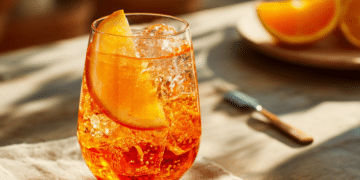

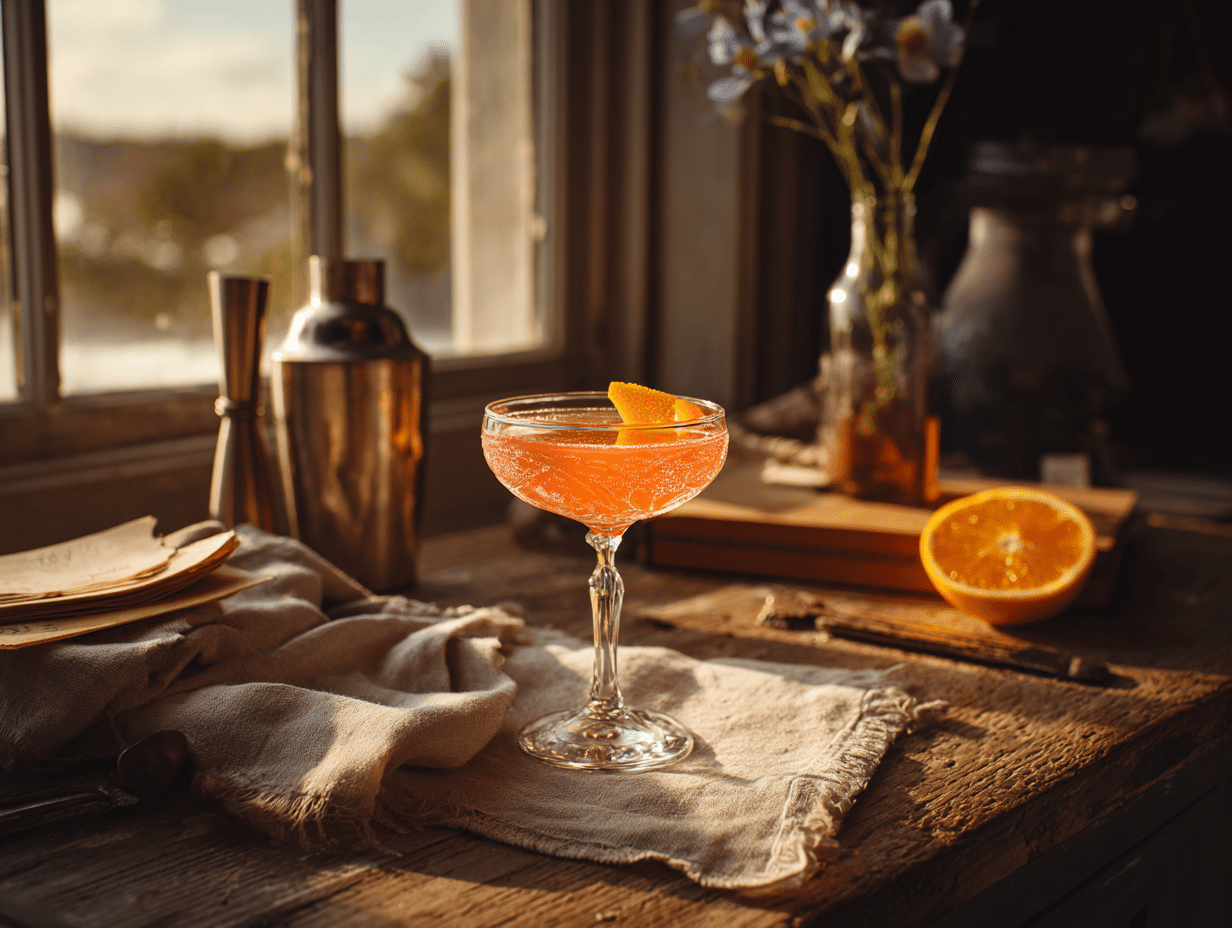
The Monkey Gland is a four-ingredient gin cocktail from 1920s Paris — gin, fresh orange juice, absinthe, and grenadine, shaken and strained into a single glass. The name is genuinely odd, but the drink is straightforward and good: citrusy, lightly sweet, with a faint herbal edge from the absinthe. If you want a classic cocktail that takes five minutes and uses things you likely already have at the bar, this is a solid choice.
Why this recipe works
Two things make this drink work. First, the ratio keeps the absinthe at just 0.25 oz — enough to add a distinct herbal note on the nose without turning the whole drink into a licorice bomb. Second, shaking hard for a full 15 seconds does more than chill the drink; it aerates the fresh orange juice, which softens the citrus sharpness and gives the finished cocktail a slightly frothy, lighter texture. Both of those details are easy to shortchange, and both matter.
What can go wrong
- Using bottled orange juice: Bottled juice is more acidic and thinner than fresh-squeezed, and the difference is obvious in a drink this simple. Squeeze the orange right before you shake.
- Skipping the chill on the glass: A warm coupe warms the drink fast. Stick the glass in the freezer for five minutes before you start, or fill it with ice water while you prep.
- Pouring the absinthe by eye: Even a small overpour — say, 0.5 oz instead of 0.25 oz — will overpower everything else. Measure it every time until you know exactly what a quarter-ounce looks like in your jigger.
- Using artificial grenadine: Bright-red artificial grenadine tastes like cough syrup here. Real pomegranate grenadine is less sweet and more tart, which keeps the drink balanced rather than cloying.
- Not double-straining: A single strainer leaves ice chips and orange pulp in the glass, which dilutes the drink unevenly as they melt. Use a fine-mesh strainer over the coupe — it takes two seconds.
About the ingredients
Absinthe is the one ingredient that might give you pause. It’s not cheap, but a bottle lasts a long time at a quarter-ounce per drink. If you genuinely can’t find it, a small amount of Pernod or another anise-flavored liqueur will approximate the herbal quality, though the flavor won’t be identical. Grenadine is worth buying a real pomegranate version — skip the neon stuff. If you already have simple syrup on hand, you can make a quick pomegranate grenadine by simmering equal parts pomegranate juice and sugar until slightly thickened. For the gin, a standard London dry works well; nothing expensive is needed here since the orange juice and absinthe are doing a lot of the flavor work. Skip the garnish — not worth the extra dish when the drink stands fine without it.
Make-ahead notes
This cocktail doesn’t hold well once shaken — the orange juice oxidizes and the carbonation from the shaking dissipates within about 20 minutes. If you’re making a round for a few people, pre-measure all the liquid ingredients into a small pitcher and keep it in the fridge for up to two hours before guests arrive. Then shake each drink to order with ice; it takes under a minute per glass. Don’t pre-shake and refrigerate — the texture suffers and the citrus turns flat.
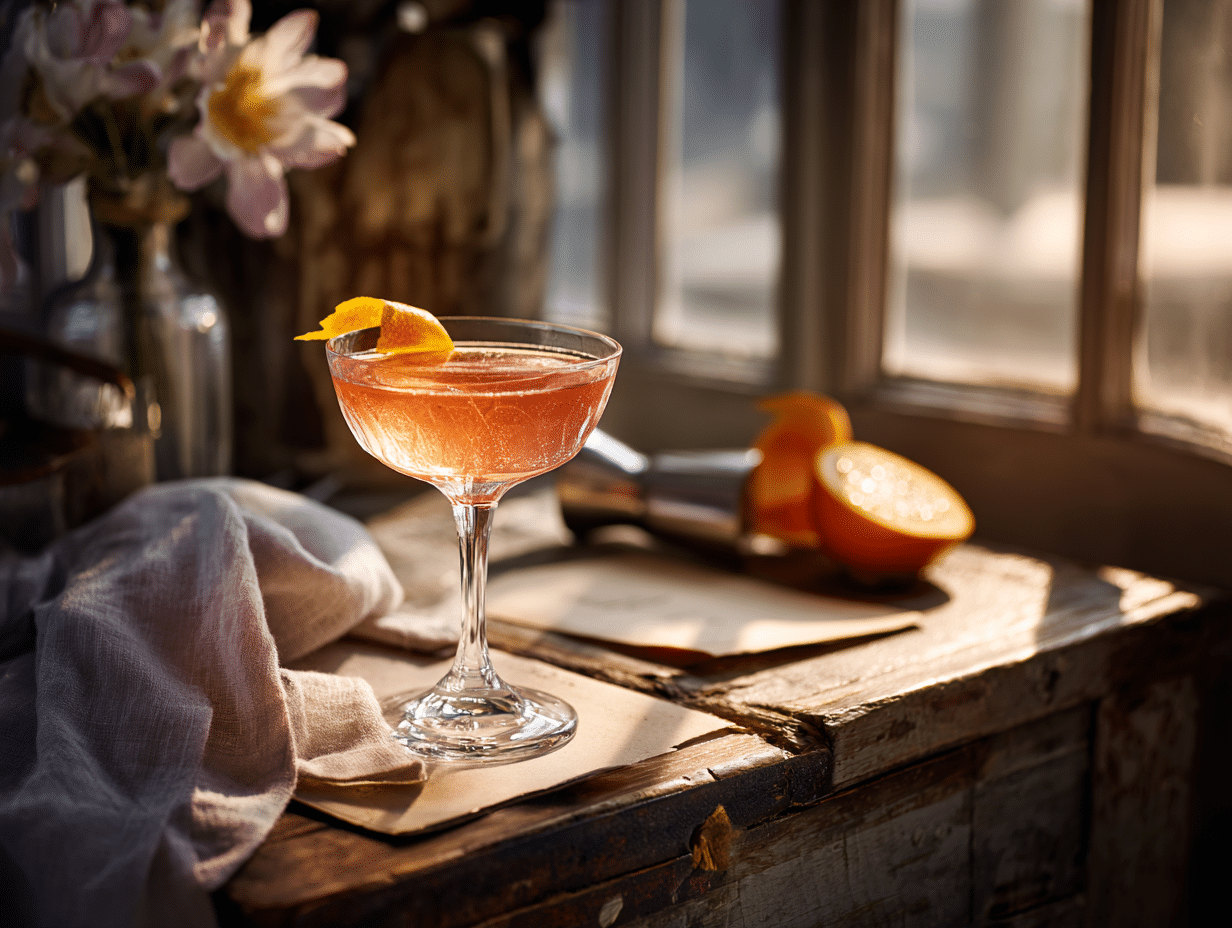
Monkey Gland Cocktail

Equipment
- Cocktail shaker
- Strainer
- Jigger
- Citrus Juicer
- Coupe or Martini Glass
Ingredients
- 1.5 oz London dry gin preferably a high-quality brand like Beefeater for a crisp botanical base
- 1.5 oz fresh orange juice fresh-squeezed for best flavor
- 0.25 oz absinthe use a quality absinthe for a clean, herbal touch; Lucid or St. George are good options
- 0.25 oz grenadine use real pomegranate grenadine—avoid artificial syrups. Small-batch brands like Jack Rudy or make your own
- 1 piece orange twist for garnish
Instructions
- Add 1.5 oz gin, 1.5 oz fresh orange juice, 0.25 oz absinthe, and 0.25 oz grenadine into a cocktail shaker filled with ice.
- Shake vigorously for about 15 seconds, until the outside of the shaker is frosted and cold to the touch, ensuring full chill and aeration of the citrus.
- Double strain into a chilled coupe or martini glass to remove ice shards and pulp for a silken texture.
- Express the oils from an orange twist over the drink by holding the peel over the glass and giving it a firm pinch. Then drop the twist in for garnish.
Notes
Bartender’s Tips:
- To elevate the citrus notes, try flamed orange peel: briefly warm the orange peel with a lighter before expression for added depth.
- If you prefer a smoother finish, reduce the absinthe slightly to 1/8 oz.
- For a vibrant presentation, use blood orange juice when in season—it adds a gorgeous ruby hue and slight tartness.
Nutrition
FAQ
Can I make this without absinthe?
Yes, though the flavor will be noticeably different. A small pour of Pernod, Pastis, or another anise liqueur is the closest substitute — use the same 0.25 oz amount. If you want to skip anise flavor entirely, a few drops of Angostura bitters will add herbal complexity without the licorice note.
What glass should I use if I don’t have a coupe or martini glass?
Any stemmed glass works fine. A wine glass is a perfectly reasonable stand-in — the stem keeps your hand from warming the drink. What you want to avoid is a heavy tumbler, which holds heat and changes the drinking experience.
Is the absinthe flavor very strong?
At 0.25 oz it’s subtle — more of a background note than a dominant flavor. Most people who say they don’t like absinthe find it completely acceptable in this drink. If you’re still nervous, start with 0.125 oz and taste as you go.
Can I scale this up for a group?
Yes, but shake in individual or double batches rather than all at once — a cocktail shaker can only handle about two servings comfortably before the ice-to-liquid ratio gets off. Pre-measure everything into a pitcher, then shake two at a time.