














This is a 1:4 sugar-to-water nectar made with nothing but white granulated sugar and water — no dyes, no additives, no store-bought mix required. It takes 10 minutes, costs almost nothing, and you can scale it up as many times as you need to keep multiple feeders full all season long.
Before you start
The one technique that actually matters here is temperature control. You want the sugar fully dissolved and the water sanitized, but you do not want a rolling boil — boiling can slightly alter the sugar composition and speed up fermentation once the nectar is in the feeder. Pull the pan off the heat as soon as the liquid goes clear and you see gentle steam rising, around 120–130°F. The second thing worth doing before you start: wash your feeder thoroughly with hot water and a bottle brush. Filling a dirty feeder with fresh nectar is the fastest way to grow mold, and no amount of good nectar fixes a grimy container.
Common problems and fixes
- Nectar turns cloudy within a day or two: This is early fermentation or bacterial growth, usually caused by a feeder that wasn’t fully rinsed or nectar that went into the feeder while still warm. Discard the batch, scrub the feeder with a diluted white vinegar rinse, rinse well with plain water, and start fresh with cooled nectar.
- Sugar won’t fully dissolve: The water isn’t hot enough. If you’re making a large batch and stirring over low heat, it can take longer than expected. Increase to medium heat and keep stirring — don’t rush it by cranking the heat up and accidentally boiling it.
- Feeder is attracting ants or bees more than hummingbirds: This is a feeder placement and hardware issue, not a nectar issue. An ant moat filled with plain water above the feeder and moving the feeder away from flowering plants or railings usually solves it quickly.
- Nectar looks fine but hummingbirds stop visiting: Check whether the feeder ports are clogged with dried sugar residue. A pipe cleaner or small bottle brush clears them in under a minute. Also confirm the feeder is hung in a spot with some shade — nectar in direct sun ferments faster and birds sometimes avoid a feeder that smells off.
- Making a large batch and unsure how much to prep: A single standard feeder holds roughly 8–16 oz. If you’re running several feeders, multiply the base recipe by the number of feeders you need to fill, then store the rest in the fridge. Skip making more than a week’s worth at once — freshness matters more than convenience here.
Shopping notes
Plain white granulated sugar is exactly what you want — the standard bag at any grocery store works fine. Pure cane sugar is the better choice over beet sugar if you have the option, since it more closely matches the sucrose profile of natural flower nectar, but either will work in a pinch. Filtered or spring water is worth using if your tap water is heavily chlorinated, since chlorine can affect taste and potentially irritate birds over time. That said, if your tap water is clean and low in additives, it’s perfectly usable. Skip the fancy raw or turbinado sugars — the molasses content in unrefined sugars ferments quickly and can be harmful to birds.
Leftovers and make-ahead
Extra nectar keeps well in the refrigerator for up to one week in a clean, sealed jar or bottle. If you’re filling multiple feeders or hosting a backyard gathering and want to prep ahead, make a double or triple batch the night before — it stores just as well and means you’re not scrambling to make more mid-week. Do not freeze nectar; the water expands and the sugar can crystallize unevenly, and thawed nectar should be treated as fresh-made anyway. Always bring refrigerated nectar to room temperature before filling a feeder, especially in summer, since pouring cold liquid into a warm plastic feeder can cause condensation inside the reservoir and speed up spoilage.
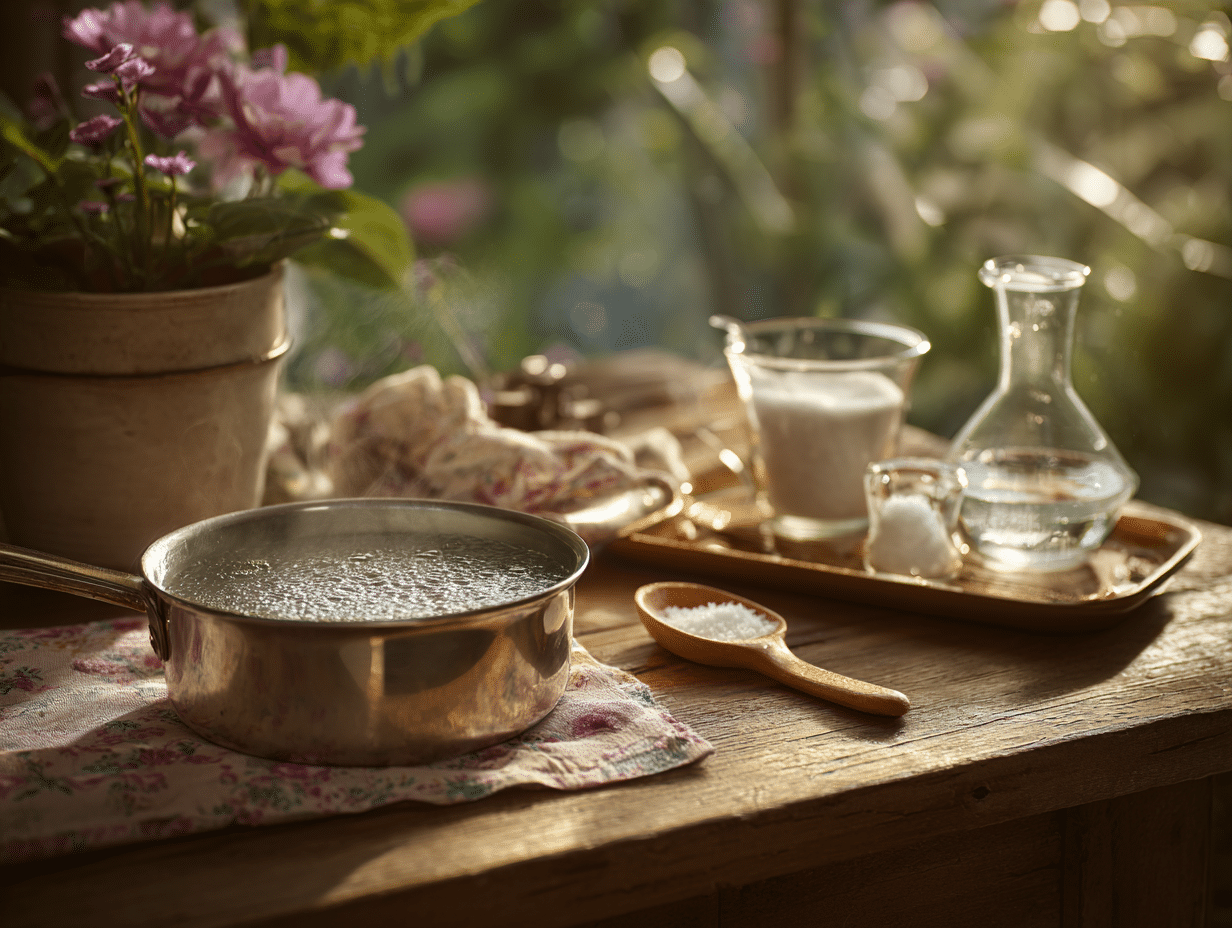
Classic Hummingbird Food Recipe

Equipment
- Saucepan
- Measuring cups
- Spoon for stirring
- Funnel (optional)
- Storage bottle or feeder
Ingredients
- 1 cup white granulated sugar use pure cane sugar; do not substitute with honey, brown sugar, or artificial sweeteners
- 4 cups water preferably filtered or spring water to avoid harmful chemicals
Instructions
- In a small saucepan, combine 1 cup of white granulated sugar with 4 cups of water.
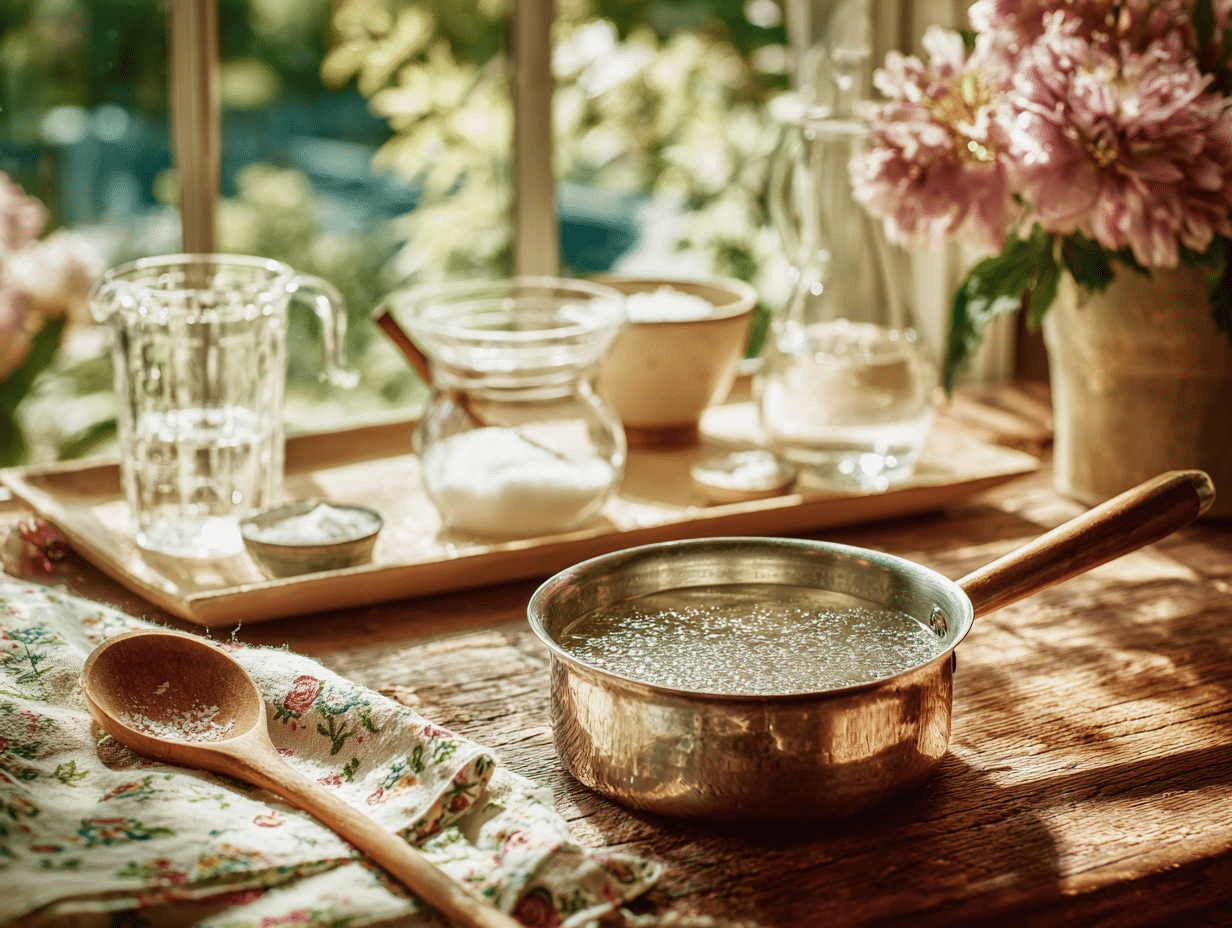
- Heat the mixture over medium heat just until the sugar completely dissolves, stirring occasionally. Do not boil the solution—remove it from heat once it turns clear and starts to gently steam (approximately 120–130°F / 48–54°C).
- Allow the nectar to cool completely to room temperature. This ensures it won’t harm the hummingbirds or damage the feeder’s plastic parts.
- Use a funnel to pour the cooled nectar into your hummingbird feeder. Any remaining nectar can be stored in the refrigerator for up to 1 week in a clean, airtight container.
Notes
- Never Use Red Dye: Red food coloring can be harmful to birds. Most feeders are already red enough to attract them naturally.
- Avoid Honey or Molasses: These can ferment quickly and grow fungus that’s dangerous to hummingbirds.
- Clean Regularly: During hot summer months, clean the feeder and replace nectar every 2–3 days; in cooler weather, once a week is sufficient.
Nutrition
Frequently asked questions
Can I double or triple this recipe to fill multiple feeders at once?
Yes — this recipe scales up without any changes to technique. Just use the same 1:4 sugar-to-water ratio regardless of batch size, and store whatever you don’t use immediately in the fridge for up to a week.
Why can’t I use honey instead of white sugar?
Honey ferments much faster than plain sugar water and can grow a fungus that is harmful to hummingbirds. It also has a different sugar composition that isn’t well-suited to their digestive systems.
How do I know when the nectar has gone bad in the feeder?
Cloudy liquid, visible black or white specks, or a sour smell are all signs the nectar has turned. When in doubt, empty and clean the feeder — it’s not worth the risk to the birds.
Do I need to add anything to make it more attractive to hummingbirds?
No — skip any additives, including red dye. The red parts on most feeders are enough to catch their attention, and a plain sugar-water solution is exactly what they’re looking for.
How often should I change the nectar if I’m running several feeders?
In hot summer weather, change nectar every two to three days across all feeders. In cooler spring or fall temperatures, once a week is usually sufficient — but always check for cloudiness before that.
Can I make this ahead and bring it to a friend’s house or use it at a vacation property?
Yes, transport it in a sealed container and keep it cold during travel. It stays good for up to a week refrigerated, so making it the day before you leave works well.
If you liked this one
- The Sweet Essentials of Simple Syrup Making
- Creamy Cinnamon Horchata
- Smooth and Refreshing Homemade Cold Brew Coffee
- Sunshine in a Jar: Crafting Classic British Lemon Curd