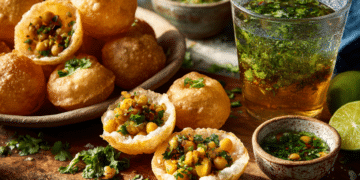
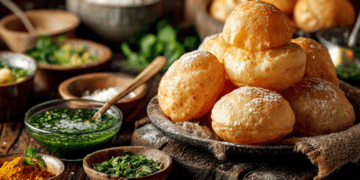








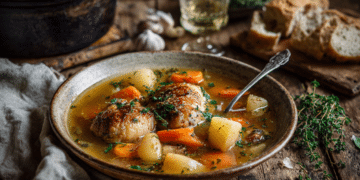












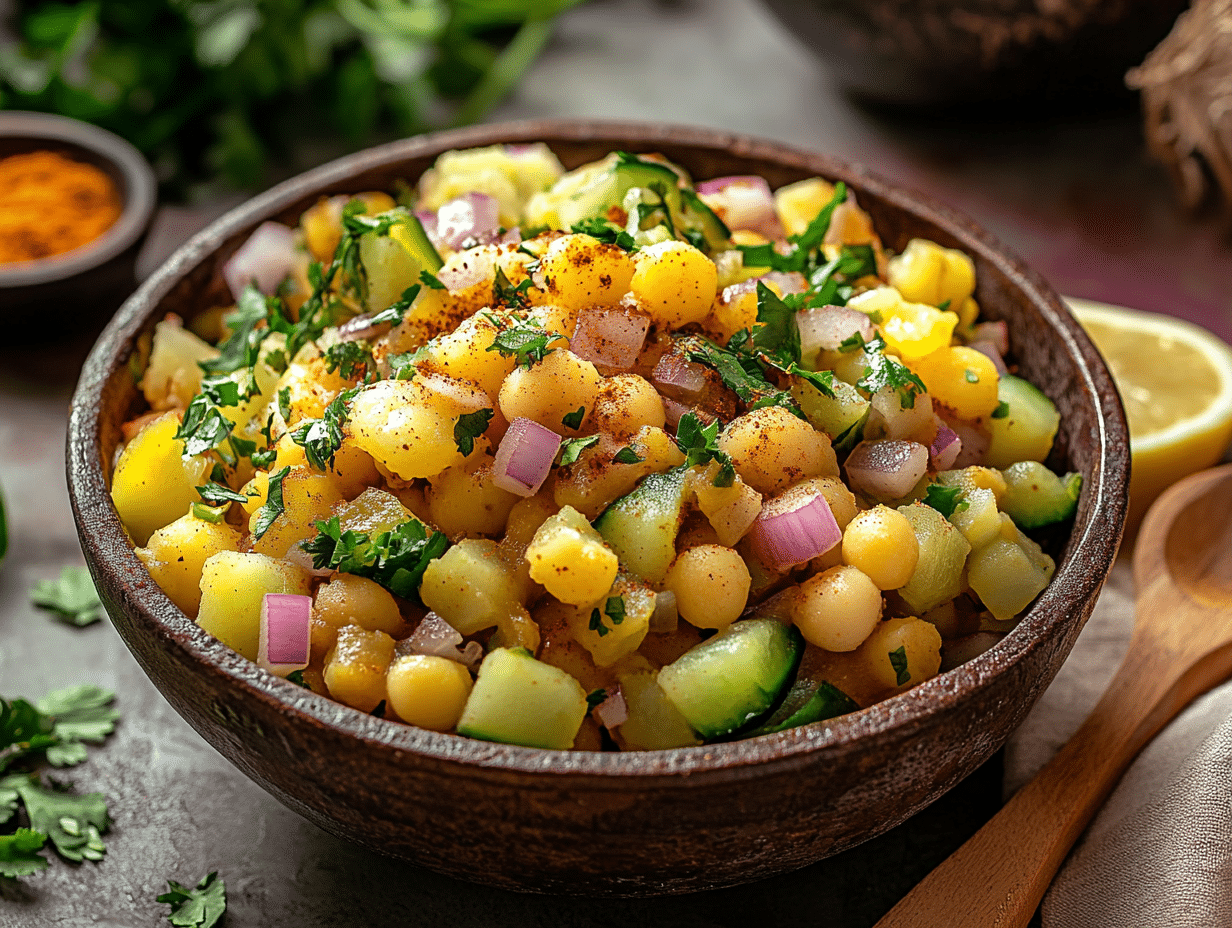
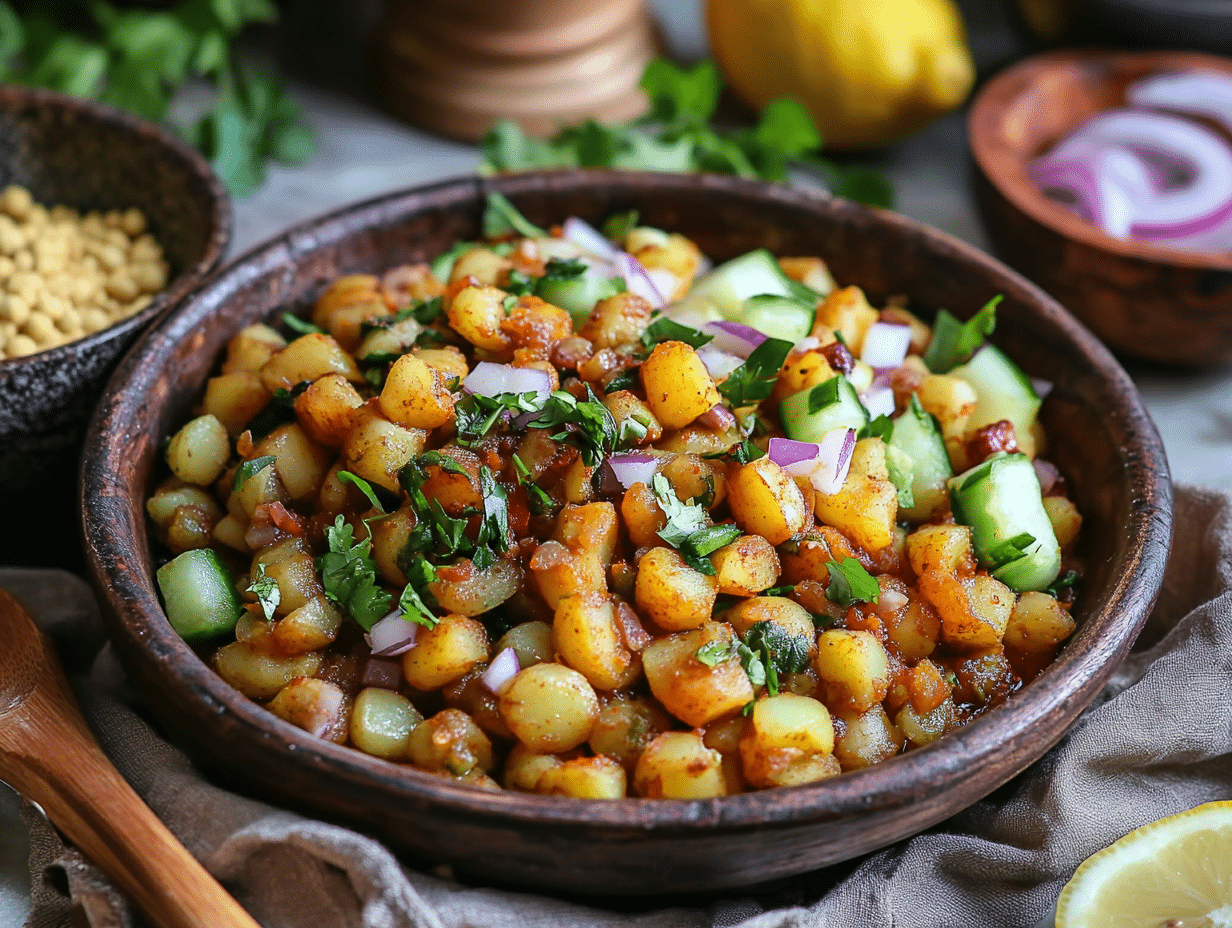
Chotpoti is a Bangladeshi street snack built on spiced white peas and potatoes, dressed with tamarind, mustard oil, and fresh vegetables. It comes together in under an hour using pantry staples, and the heat level is easy to dial back for anyone at the table who runs mild. If you want something genuinely different from your usual weeknight rotation, this one delivers.
Why this recipe works
Two things matter most here. First, soaking the dried white peas overnight isn’t optional — it cuts cooking time significantly and lets the peas turn tender without turning to mush. Peas that are still firm hold up when you fold in the other ingredients, so every bite has actual texture. Second, dry-roasting the cumin before grinding it changes the flavor completely. Raw ground cumin tastes flat; toasted cumin smells nutty and warm and carries through the whole dish. Those two steps do most of the heavy lifting.
Substitutions that actually work
- White peas: Dried white peas (also sold as dried marrowfat peas or white vatana) are the right call, but canned chickpeas work in a pinch — drain and rinse them, skip the boiling step, and expect a slightly different texture.
- Mustard oil: This is worth tracking down at a South Asian grocery store because nothing else tastes quite like it. If you genuinely can’t find it, a neutral oil with a few drops of toasted sesame oil is the closest substitute — not identical, but it adds some sharpness back.
- Tamarind pulp: Block tamarind dissolved in warm water is ideal. Jarred tamarind concentrate works too — use about half the amount and taste as you go, since it’s more concentrated and sometimes sweeter.
- Red chili powder: For kids or anyone heat-sensitive, start with a quarter teaspoon and add more at the table. Mild paprika can replace part of it to keep the color without the burn.
Mistakes to avoid
- Skipping the overnight soak: A quick soak in hot water for an hour is not the same. Under-soaked peas take much longer to cook and often end up unevenly done — some hard, some blown out.
- Overcooking the peas: Check them at 15 minutes. You want them to hold their shape when pressed lightly, not collapse. Once they go mushy, the dish loses the contrast that makes it interesting.
- Adding the mustard oil too early: Mustard oil goes on at the end, raw. Cooking it into the dish kills the sharp, pungent flavor that’s the whole point of using it.
- Mixing too aggressively: Fold the peas in gently. Stirring hard breaks them apart and turns the whole bowl starchy and heavy.
- Dressing the bowl too far ahead: Once the tamarind and vegetables go in, the cucumber softens and the onion loses its crunch fast. Mix and serve within 20 minutes for the best texture.
Storage and reheating
Store leftover chotpoti in an airtight container in the fridge for up to 2 days — skip the garnish and keep the cucumber and onion separate if you know you’ll have leftovers, since they go limp quickly once dressed. The pea and potato base reheats well in a small saucepan over low heat with a splash of water to loosen it, or in the microwave in 60-second bursts. Add fresh onion, cucumber, and a new drizzle of mustard oil after reheating. Freezing the dressed dish isn’t recommended, but the plain cooked peas freeze well for up to 3 months — portion them before freezing and build the dish fresh when you’re ready.
Chotpoti

Equipment
- Large Pot
- Mixing bowl
- Mortar and pestle
Ingredients
- 1 cup dried white peas Soaked overnight
- 2 medium potatoes Boiled and diced
- 1 medium red onion Finely chopped
- 1 cup cucumber Finely diced
- 2 tbsp tamarind pulp
- 1 tsp cumin seeds Dry roasted and ground
- 1 handful coriander leaves Chopped
- 1 tsp red chili powder Adjust to taste
- 2 tbsp mustard oil
Instructions
- Begin by rinsing the soaked white peas and place them in a large pot. Cover with water and bring to a boil. Reduce to a simmer, cooking for about 20 minutes, or until the peas are tender but not mushy.
- Mix the boiled and diced potatoes, finely chopped red onion, and diced cucumber in a mixing bowl.
- Add 2 tablespoons of tamarind pulp, roasted and ground cumin, and red chili powder to the mixture. Stir well to combine the flavors.
- Fold the tender white peas into the mixture, being careful to maintain their shape. Stir gently.
- Finish with a drizzle of mustard oil, sprinkle of chopped coriander leaves for freshness, and give it a final, gentle mix.
Notes
- To deepen the flavor, dry roast the cumin seeds in a skillet for a few minutes before grinding.
- Serve with a slice of lemon on the side for a zesty kick.
Nutrition
FAQ
Can I use canned peas instead of dried white peas?
Canned chickpeas are the most practical swap if you don’t have time to soak and cook dried peas. Drain and rinse them well, skip the boiling step entirely, and go straight to mixing — the texture will be a little softer and the flavor slightly different, but the dish still works.
How spicy is this, and can I make it mild enough for kids?
As written, the heat is moderate and easy to adjust. Start with a quarter teaspoon of red chili powder instead of a full teaspoon, taste before serving, and let anyone who wants more heat add it themselves at the table — a small dish of chili flakes on the side handles that without making the whole batch fiery.
Where do I find dried white peas and mustard oil?
Both are standard stock at South Asian or Indian grocery stores, often labeled as white vatana or dried white peas, and kachi ghani mustard oil respectively. Large international grocery sections sometimes carry them too, and both are easy to order online — skip the garnish of hunting specialty stores if you have a good South Asian market nearby, that’s your fastest option.
Try these next
- Crispy potato samosas from India
- Mumbai’s buttery vegetable mash street food
- Kanda poha — a classic Maharashtra breakfast
- Smoky, creamy Mexican street corn