
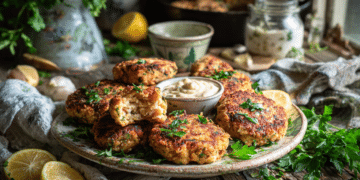
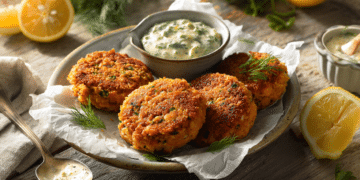
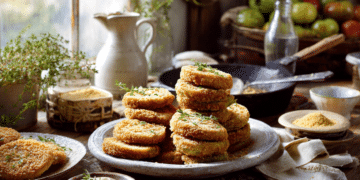
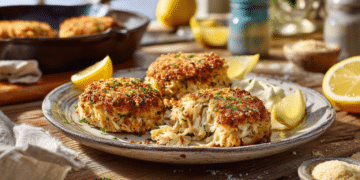





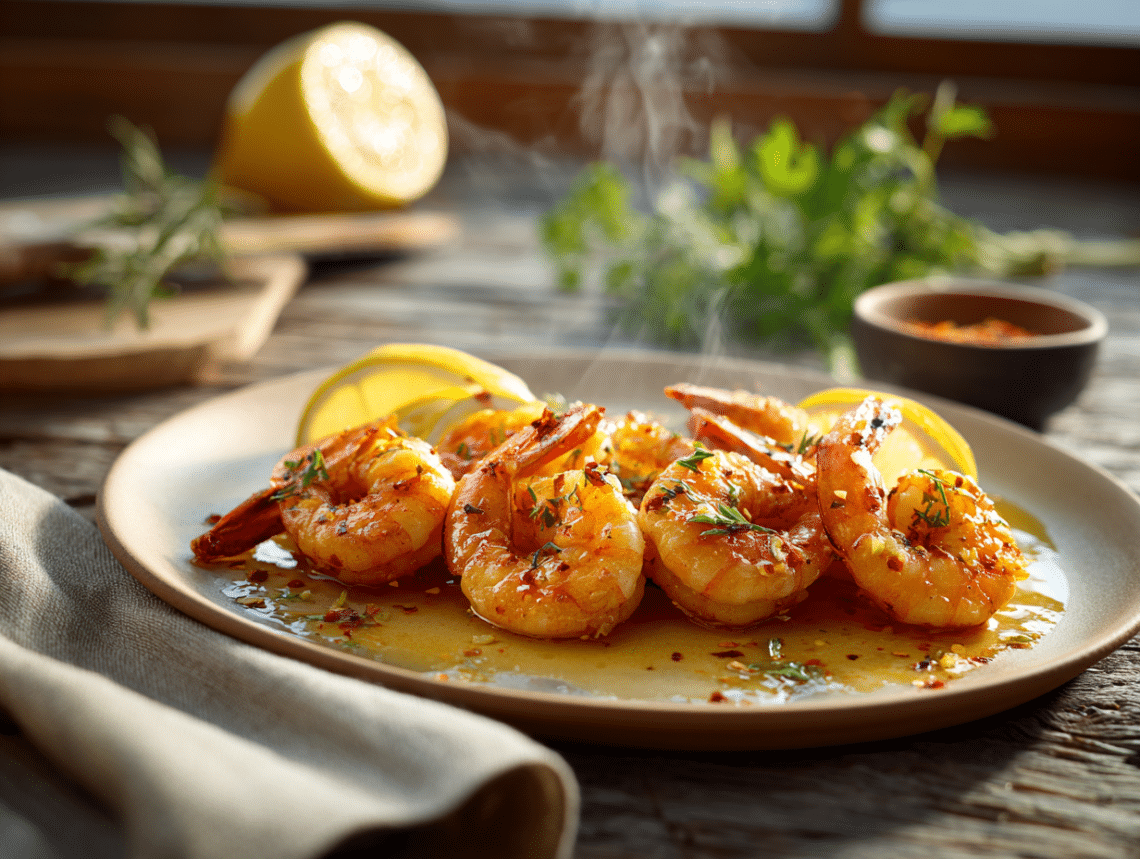
This is a pan-seared shrimp dish built around a short coconut milk and lemon marinade, spiced with garlic, paprika, and cayenne. The whole thing — marinating included — takes about 40 minutes, and it scales cleanly whether you’re feeding four or a table of twelve. If you need a fast, crowd-friendly seafood dinner that doesn’t require babysitting a pot all evening, this is a reliable choice.
The technique that matters
Two things make or break this recipe. First, the marinade time: 30 minutes is the target. The lemon juice starts breaking down shrimp protein quickly, so going much past that gives you a mushy texture before the pan even heats up — set a timer and pull them out on schedule. Second, pan temperature. The shrimp need to go into a genuinely hot pan so the coconut milk coating caramelizes rather than steams. If you crowd the pan, the temperature drops and you get pale, rubbery shrimp instead of a lightly charred exterior. Cook in batches if you’re scaling up — it takes an extra few minutes but the result is worth it.
About the ingredients
- Unsweetened coconut milk: Use full-fat canned, not the refrigerated carton kind. The higher fat content is what creates that caramelized coating in the pan. Light coconut milk will work in a pinch but produces a thinner result.
- Cayenne pepper: The recipe uses a small amount for background heat, not fire. If you’re cooking for kids or heat-sensitive guests, cut it by half — the dish still has plenty of flavor from the paprika and garlic.
- Shrimp size: Large (21–25 count) or jumbo (16–20 count) work best for butterflying and hold up better when cooking for a crowd. Smaller shrimp cook too fast and are harder to butterfly cleanly.
Make-ahead notes
You can mix the marinade up to 24 hours ahead and keep it covered in the fridge — just don’t add the shrimp until 30 minutes before you plan to cook. Cooked shrimp keep well in an airtight container in the refrigerator for up to 2 days; reheat in a skillet over medium heat for 2–3 minutes rather than microwaving, which makes them rubbery. Freezing cooked shrimp is possible but the texture softens noticeably after thawing, so it’s better to freeze raw unmarinated shrimp and start fresh. If you’re cooking for a large group, you can sear the shrimp in batches up to an hour ahead and hold them loosely covered at room temperature, then give them 90 seconds in a hot pan right before serving to bring them back up.
Mistakes to avoid
- Skipping the pat-dry step before searing: Even after marinating, blot the shrimp lightly with a paper towel before they hit the pan. Excess liquid causes steaming, not searing, and you lose the caramelized exterior entirely.
- Using cold shrimp straight from the fridge: Let marinated shrimp sit at room temperature for about 10 minutes before cooking. Cold shrimp lower the pan temperature fast, especially when cooking in larger quantities.
- Overcooking while waiting for color: Shrimp cook in 2–3 minutes total. If you’re waiting for deep browning, they’re already overdone. Pull them when the edges are just opaque and the coating has a light golden color — skip the garnish if it means standing over the pan longer than needed, not worth the extra dish.
- Adding all the marinade liquid to the pan: Pour off excess marinade before cooking. Dumping it all in creates too much liquid and drops the pan temperature, undoing the high-heat technique entirely.
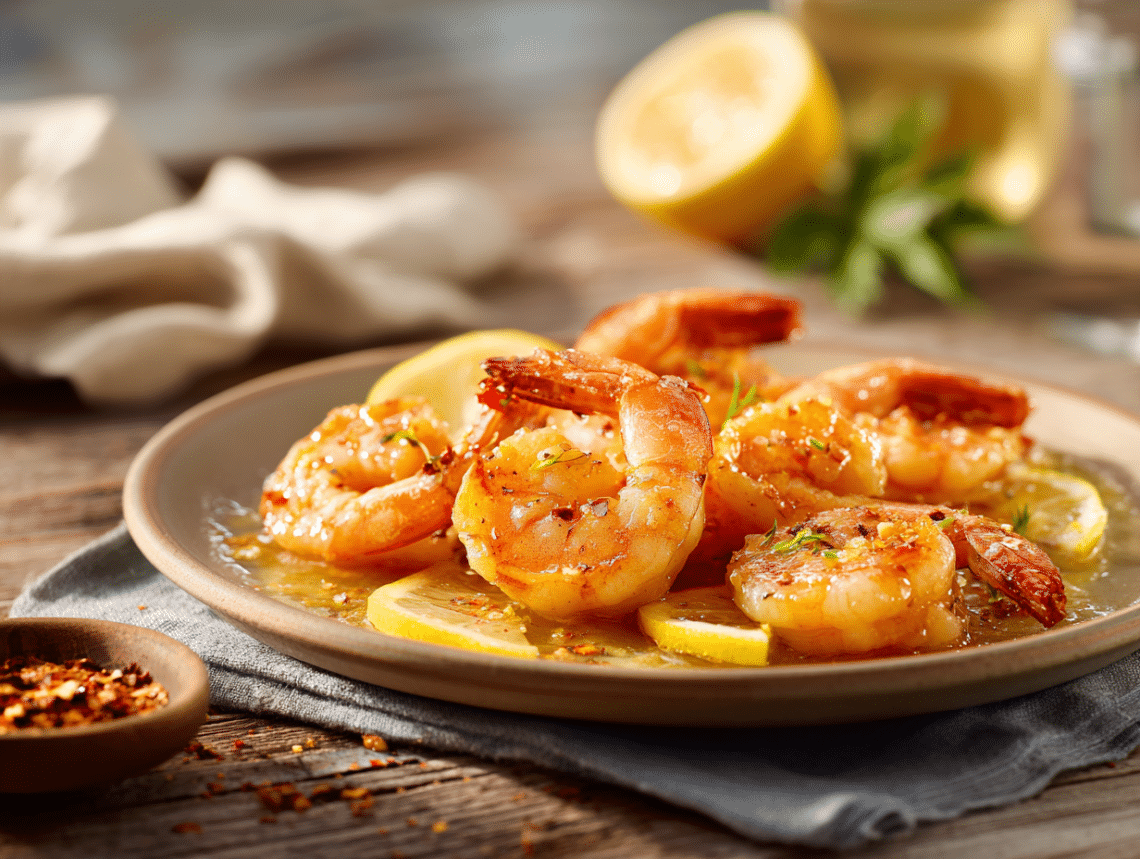
Butterflied Bahian Lemon Shrimp (Brazilian Coconut Marinade)

Ingredients
Cupcake Ingredients
- 1 ¼ sticks unsalted butter cubed
- ½ cup bittersweet chocolate chopped
- ½ cup unsweetened chocolate chopped
- 3 medium eggs
- ½ cup turbinado sugar
- 1 pinch salt
- ½ cup coconut rum
- 1 tsp vanilla extract
- ½ tsp cayenne pepper
- 1 tsp cinnamon
- 1 tsp instant espresso powder
Frosting Ingredients
- ⅓ cup semisweet chocolate chopped
- 2 tbsp unsalted butter
- 1 cup granulated sugar
- 3 medium egg whites
- 0.3 tsp cream of tartar
- 2 tsp vanilla extract
- ⅓ cup water
- 1 pinch fine sea salt
- as needed shaved chocolate for topping
Instructions
Cupcake Instructions
- Preheat the oven to 325°F / 160°C (165°C fan-forced).
- Line the cupcake pan with cupcake papers.
- Chop the bittersweet and unsweetened chocolate and place in a heatproof bowl set over a saucepan of gently simmering water (double boiler). Add the cayenne pepper and cinnamon. (Tip: flavoured bittersweet chocolate, such as chilli or orange-infused, works beautifully here.)
- Stir until the chocolate is melted.
- In another heatproof bowl, put the eggs, turbinado sugar and salt. Place the bowl on the same double boiler and whisk until the mixture is warm for about 2 to 4 minutes.
- Transfer the egg mixture to a stand mixer fitted with the whisk attachment (or use a hand mixer). Whip on medium speed until the mixture has tripled in volume, about 5 minutes. It should be pale, thick, and leave a ribbon trail when the whisk is lifted.
- While that is mixing, combine the coconut rum, vanilla, and instant espresso powder in a small saucepan and bring to a low boil.
- Decrease the speed of the mixer to low and gradually pour in the rum/coffee mixture in a thin, steady stream.
- Then add the melted chocolate mixture and mix on low speed until fully combined, about 2 minutes. Scrape down the sides of the bowl as needed.
- Gradually add the butter until all is incorporated.
- Scoop batter into the cupcake papers.
- Bake at 325°F / 160°C (165°C fan-forced) for about 10 minutes (for mini cupcakes) and 15 minutes (for regular cupcakes). The cupcakes are done when the tops are set and slightly firm to the touch — they will continue to firm up as they cool.
- Let cool completely.
Frosting Instructions
- Melt chocolate and butter in a microwave-safe bowl in 30-second intervals using a microwave-safe bowl until all melted. Set aside to cool slightly.
- Whisk the egg whites, sugar, cream of tartar, salt and 1/3 cup (80ml) of water in a heatproof bowl.
- Place bowl over a double boiler beat with a hand mixer on low, then gradually increase speed to form soft peaks. This takes about 5 minutes. The mixture should reach 160°F / 71°C to pasteurise the egg whites.
- Remove the bowl from the pan and continue beating until the mixture becomes cool and fluffy.
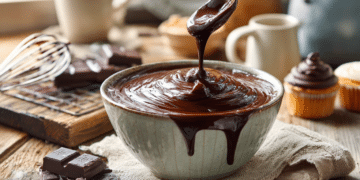
- Fold in vanilla, then the chocolate.
- Transfer the frosting to a piping bag fitted with a large round or star tip (or a zip-top bag with one corner snipped off).
- Pipe the frosting on top of each cupcake.
- Top with shaved chocolate.
Nutrition
Frequently asked questions
Can I use frozen shrimp?
Yes — thaw them completely in cold water first, then pat them very dry before marinating. Frozen shrimp release extra moisture as they sit, so the pat-dry step is especially important here or the marinade won’t cling properly.
Do I have to butterfly the shrimp?
No, but butterflying gives the marinade more surface area to coat and helps the shrimp cook evenly in a hot pan. If you’re short on time with a large batch, leaving them whole still works — just watch the cook time since they’ll be thicker.
How do I double or triple this recipe without it turning into a mess?
Marinate in a large zip-top bag or wide baking dish so the shrimp are in a single layer and coat evenly. Cook in multiple batches in the same pan rather than overcrowding — wipe the pan between batches only if there’s significant burning.
What can I serve this with besides noodles or rice?
Warm flour tortillas work well and make it easy to serve buffet-style for a group. It also works over a simple green salad at room temperature, which is useful if you’re serving it as part of a larger spread and don’t want to time everything at once.
Can I make this less spicy without losing flavor?
Reduce or omit the cayenne and increase the smoked paprika slightly to keep the depth. The garlic and coconut milk carry the dish well on their own, so a no-heat version still tastes complete.
What to cook next
- Authentic Spanish Seafood Paella
- Fiery Jamaican Jerk Chicken
- Fresh Lemon-Herb Crab Salad
- Tropical Sunrise Smoothie Bowl