
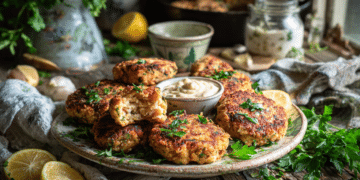
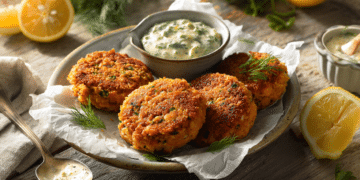
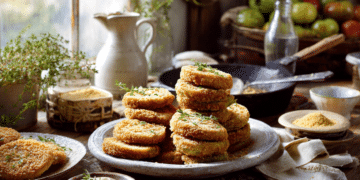
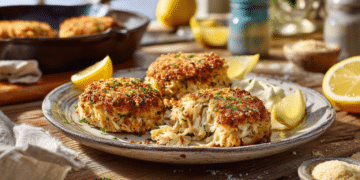







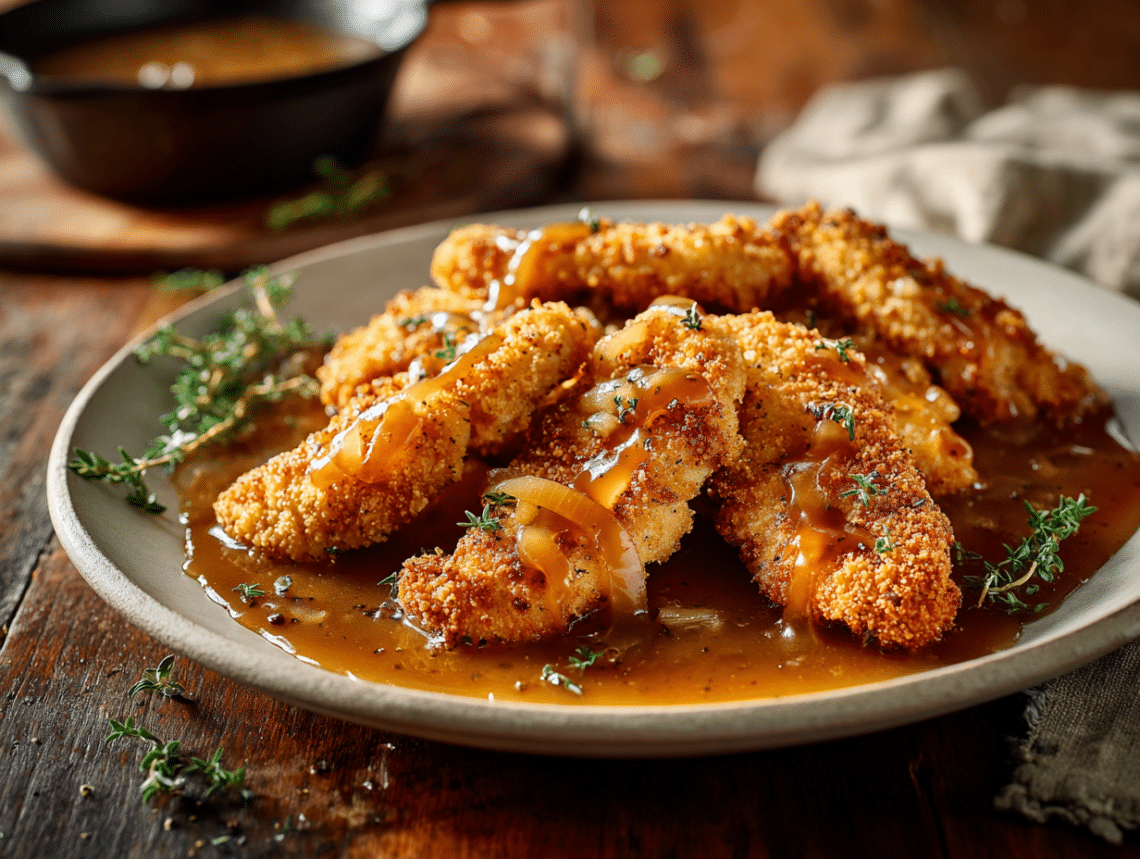
This is a one-skillet dinner built around seven ingredients most households already have. The same flour that coats the onions thickens the gravy — no separate sauce, no extra pan. It takes about an hour, and most of that time the skillet is doing the work without you.
Before you start
Two things determine whether this recipe works. First, the onions need real time on medium or medium-low heat — 20 minutes is not an exaggeration. Rushing them on high heat browns the outside while leaving the inside sharp and raw, and the fond they build won’t be sweet enough to carry the gravy. Second, when you add the milk, the pan needs to be hot. A lukewarm skillet won’t lift the browned bits off the bottom, and those bits are what gives the gravy its flavor. Add the milk while the heat is still on medium-high, and keep stirring from the first pour.
Shopping notes
- Chicken tenders: If your store is out or they’re priced high, a boneless skinless chicken breast cut lengthwise into strips works exactly the same way. Aim for pieces roughly ¾ inch thick so they cook through in the same 3–4 minutes per side.
- Whole milk: Whole milk makes the thickest, richest gravy, but 2% works fine. Avoid skim — it tends to produce a thinner, slightly watery result. Half-and-half is a fair substitute if that’s what you have open.
- Olive oil: Any neutral oil — vegetable, canola, avocado — works here. Skip the extra-virgin for this one; it’s cooking at high heat and the flavor difference disappears entirely.
Troubleshooting
- Gravy won’t thicken: There wasn’t enough flour left from dredging to do the job. Whisk a teaspoon of flour into a splash of cold milk until smooth, then stir that slurry into the pan and keep the heat at medium-high for another minute or two.
- Gravy is lumpy: The milk went in too fast or the heat was too low. Next time, add it in a slow, steady stream while stirring constantly. If it’s already lumpy, strain it through a fine mesh strainer — skip the garnish, not worth the extra dish — then return it to the pan.
- Chicken crust is soggy: The tenders were added before the oil was fully hot, or the pan was overcrowded. Work in two batches if needed, and wait until the oil shimmers before the chicken goes in.
- Onions burned instead of caramelizing: The heat was too high. If they’re dark brown and bitter-smelling rather than golden and sweet, start the onions over — the gravy won’t recover from burned fond. A fresh batch of onions takes 20 minutes but saves the whole dish.
- Chicken is cooked through but pale: The flour coating was too thick or too wet from excess dredging. Shake off more aggressively next time. For now, a minute or two more on high heat with a light press from the spatula will help the crust color up.
Storage and reheating
Store leftovers in an airtight container in the fridge for up to 3 days. Keep the chicken and gravy together — the gravy protects the crust from drying out completely, though it will soften overnight. To reheat, put everything back in a skillet over medium-low heat with a splash of milk to loosen the gravy, and warm it covered for about 5 minutes. The microwave works in a pinch but the crust won’t recover. Freezing is not recommended — the milk-based gravy tends to separate when thawed and the texture of the chicken suffers.
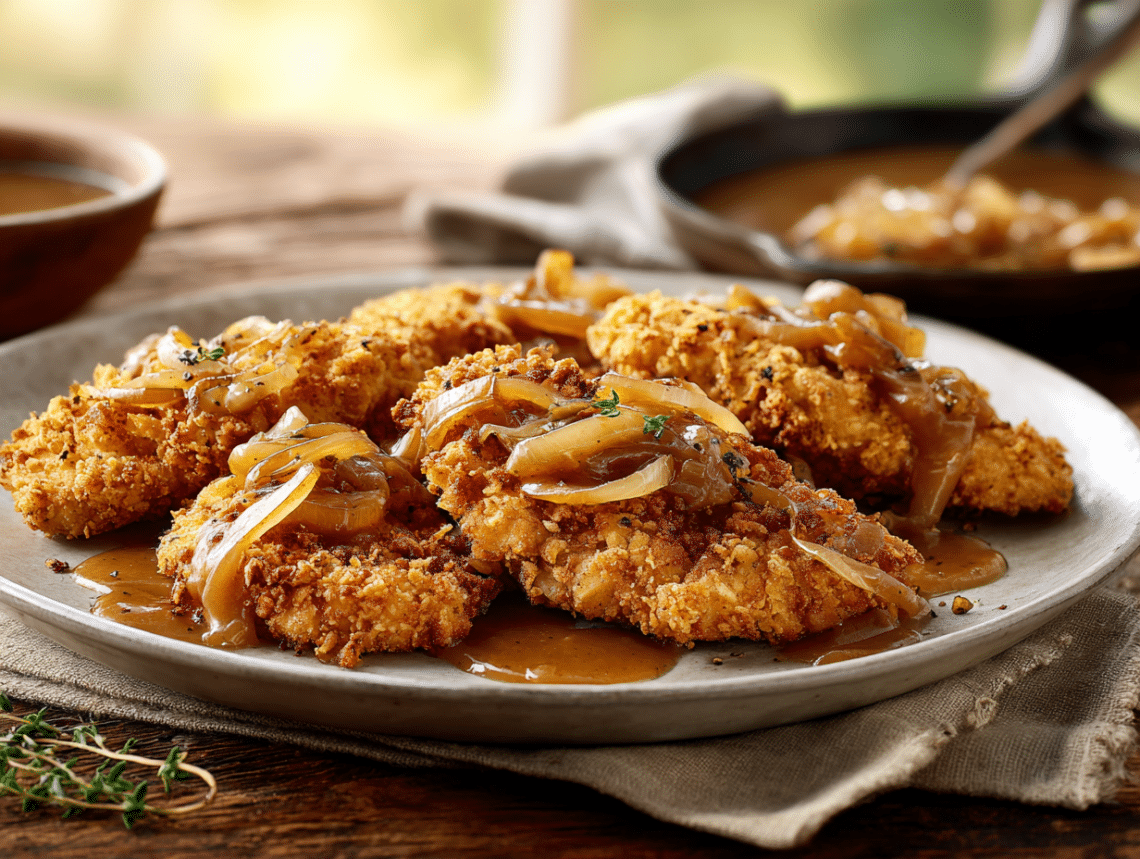
Crunchy Chicken Tenders with Caramelized Onion Gravy

Ingredients
- 3 tablespoons olive oil divided
- 1 medium onion sliced very thin
- ½ teaspoon salt fine sea salt or table salt
- ⅛ teaspoon pepper freshly ground black pepper
- 6-8 pieces chicken breast tenders
- ¾ cup milk whole milk
- ¼ cup all-purpose flour
Instructions
- Mix salt and pepper into the all-purpose flour and spread the mixture out on a plate.
- Separate the onion into rings. Toss the onion rings in the salt, pepper, and flour mixture until lightly coated, then shake off excess. Reserve any remaining flour mixture for dredging the chicken.
- Heat the skillet on high, add 2 tablespoons of olive oil, and spread evenly on the bottom.
- Add the onions all at once and immediately turn the heat down to medium or low medium.
- Cook for about 20 minutes, stirring only once halfway through the time. The onions should be golden and caramelized. Remove and set aside.
- Add the remaining 1 tablespoon of olive oil to the hot skillet and turn to high heat. Dredge the chicken tenders in the remaining seasoned flour mixture, shaking off excess, then add them to the skillet. Cook for 3–4 minutes per side until golden brown and the internal temperature reaches 165°F / 74°C. Remove and set aside with the onions.
- Turn the heat down to medium-high and gradually add the ¾ cup (180 ml) milk, stirring constantly and scraping up any browned bits from the bottom of the skillet.
- Continue to stir for 2–3 minutes until the gravy thickens enough to coat the back of a spoon. Return the caramelized onions and chicken tenders to the skillet, spooning the gravy over the top. Simmer for 1–2 minutes until everything is heated through. Serve immediately.
Nutrition
Your questions, answered
Can I make this for more than 2 people?
Yes, but cook the chicken in batches rather than scaling up the pan size. Crowding the skillet traps steam and prevents the crust from browning — two batches of 6–8 tenders each will give you better results than trying to fit everything in at once. The gravy quantity scales up easily: roughly ¾ cup milk and 2 tablespoons flour per 2 servings.
What can I serve this with?
Mashed potatoes are the most practical choice because they catch the gravy well and take about the same total time to prepare. Steamed rice or a simple green vegetable like green beans also work without adding much effort or cost.
My onions aren’t turning golden after 20 minutes — what’s wrong?
They were probably sliced too thick, or the pan wasn’t hot enough when the onions went in. Start on high heat to get the pan hot, then immediately drop to medium once the onions are in. Thinner slices — as thin as you can manage — will caramelize faster and more evenly than thicker rings.
More recipes to try
- Elegant Chicken Marsala with Mushrooms
- Authentic Japanese Chicken Teriyaki
- Sizzling Street-Style Grilled Chicken Tacos
- Hearty Shepherd’s Pie