

These vegan crab cakes made with jackfruit are one of my proudest plant-based creations. The shredded jackfruit gives you that flaky, stringy texture that’s so close to real crab meat it will genuinely surprise you — and the Cajun seasoning brings a warm, savoury depth that ties everything together.
I paired them with a quick homemade vegan tartar sauce that takes about two minutes to stir together, and honestly, the sauce alone is worth bookmarking. Tangy, creamy, and loaded with relish and a hit of dry mustard — it’s the perfect partner for these golden patties.
What I love most about this recipe is how simple and quick it is. You’ll have everything prepped, shaped, and cooked in about 30 minutes. Whether you pan-fry them for a crispy exterior or bake them for a lighter finish, the result is a satisfying main course that even non-vegans will reach for seconds of.
If you’ve been curious about cooking with jackfruit, this is the perfect recipe to start with — let me show you exactly how to get it right.
Vegan Crab Cakes With Tartar Sauce (Jackfruit)
Equipment
- 10-inch non-stick skillet
- Rimmed baking sheet
- Large mixing bowl
- Fork
- Measuring cups and spoons
- Clean kitchen towel
Ingredients
Crab Cakes Ingredients
- 1 pound canned young green jackfruit in brine thoroughly rinsed and drained
- ½ cup vegan mayonnaise
- 2 tablespoons capers
- 2 tablespoons lemon juice
- 2 tablespoons parsley chopped
- ½ cup onions finely chopped
- 1 tablespoon olive oil
- ¼ cup green bell pepper finely chopped
- ¼ cup red bell pepper finely chopped
- 2 tablespoons Cajun seasoning blend
- 1 teaspoon Kosher salt adjust to taste
- 1 ½ cups dry bread crumbs divided
- 1 pinch salt
- 1 pinch pepper
- 2 tablespoons vegetable oil for pan-frying (if not baking)
- As needed cooking spray if baking
Tartar Sauce Ingredients
- ½ cup vegan mayonnaise
- ¼ cup vegan sour cream
- ¼ cup sweet pickle relish
- 2 teaspoons garlic powder
- 2 teaspoons lemon juice
- 1 teaspoon dry mustard
- 1 teaspoon liquid aminos such as Bragg's or coconut aminos
Instructions
- In a small frying pan, heat the Olive Oil. Once heated, add the onions and peppers. Lightly salt and pepper. Cook until the onions are translucent. Remove from heat and let cool.
- Make sure the jackfruit is thoroughly rinsed and drained. Remove and discard any hard core pieces or seeds. Using a fork or your hands, shred the jackfruit into thin, stringy pieces — you want it to resemble the flaky texture of lump crab meat. Squeeze out as much excess moisture as possible using a clean kitchen towel.
- Add the mayo, lemon juice, Cajun seasoning blend, parsley and Kosher salt. Mix evenly.
- Once the onions and peppers have cooled down, add those to the mix along with the capers.
- Add ½ cup (55g) of the breadcrumbs to the mixture and stir to combine. The remaining 1 cup (115g) breadcrumbs will be used for coating. Shape the mixture into 4 evenly sized patties, about ¾ inch (2cm) thick. If the mixture is too loose to hold its shape, add breadcrumbs 1 tablespoon at a time from the coating portion.
- Once the patties have been moulded, coat them in the remaining breadcrumbs.
- Choose your cooking method below — baking produces a lighter result while pan-frying gives a crispier golden crust.
- If baking: Preheat the oven to 425°F / 220°C (200°C fan-forced). Line a rimmed baking sheet with parchment paper and lightly coat with cooking spray. Place the coated patties on the sheet and lightly spray the tops. Bake for 10 minutes, gently flip, then bake for another 8-10 minutes until golden and crisp on both sides.
- If pan-frying: Add approximately 2 tablespoons of vegetable oil to a non-stick skillet over medium-low heat. Once the oil is shimmering, carefully place the patties in the pan. Cook for 4-5 minutes per side until golden brown and crisp. Flip only once — handling them too often will cause them to break apart. Drain on a paper towel-lined plate.
- For the tartar sauce: In a small bowl, combine the vegan mayonnaise, vegan sour cream, sweet pickle relish, garlic powder, lemon juice, dry mustard, and liquid aminos. Stir until smooth. Refrigerate for at least 15 minutes before serving to let the flavours meld. Serve alongside the warm crab cakes.
Notes
- Storage: Cooked crab cakes keep in an airtight container in the fridge for up to 3 days. Reheat in a 375°F / 190°C oven for 8-10 minutes to restore crispiness — microwaving will make them soggy.
- Freezer-friendly: Freeze uncooked shaped patties on a parchment-lined baking sheet until solid, then transfer to a freezer bag. Cook from frozen, adding 3-4 extra minutes to the bake time. Keeps for up to 2 months.
- Make-ahead: Shape the patties and refrigerate for up to 24 hours before cooking. Chilling actually helps them hold together better during frying.
- Substitution: If you can’t find canned young green jackfruit, hearts of palm (drained and shredded) work as a similar flaky substitute.
- Pro tip: Squeeze as much liquid as possible out of the rinsed jackfruit using a clean kitchen towel before shredding — excess moisture is the number one reason vegan crab cakes fall apart.
Nutrition
What Makes These Vegan Crab Cakes Special
Most vegan crab cake recipes rely on chickpeas or artichoke hearts, which can taste great but don’t quite capture that flaky, stringy texture of real crab meat. That’s where jackfruit changes the game. When you shred young green jackfruit with a fork, it pulls apart into strands that look and feel remarkably like lump crab.
The Cajun seasoning gives these patties a warm, slightly smoky depth that pairs perfectly with the cool tangy tartar sauce. And because jackfruit is naturally mild in flavour, it absorbs every bit of that seasoning beautifully — you get the full-bodied taste without the seafood.
What really sets this recipe apart is that it gives you two cooking options. Baking produces a lighter patty with a toasted breadcrumb crust, while pan-frying delivers a deeply golden, crispy exterior that’s hard to resist. Either way, you’ve got an impressive plant-based main course on the table in 30 minutes.
Equipment You’ll Need
- 10-inch non-stick skillet — essential for sautéing the onions and peppers, and for pan-frying the patties without them sticking and falling apart. A non-stick surface is critical here because these patties are more delicate than meat-based ones.
- Large mixing bowl — you need enough room to fold all the ingredients together without compressing the jackfruit. A cramped bowl leads to unevenly mixed patties.
- Fork — the best tool for shredding jackfruit into those crab-like strands. A fork gives you more control than your hands for getting a consistent texture.
- Clean kitchen towel or cheesecloth — wringing out excess moisture from the jackfruit is the single most important step for patties that hold together. Paper towels tear too easily for this job.
- Rimmed baking sheet (if baking) — the rim prevents any oil from dripping into your oven, and a flat surface ensures even browning on the bottom of each patty.
- Measuring cups and spoons — precision matters with the breadcrumb ratio and seasonings. Too much or too little of either will affect how well the patties bind.
Tips for Best Results
- Squeeze the jackfruit dry. This is the most important step in the entire recipe. Canned jackfruit holds a lot of liquid, and excess moisture will make your patties fall apart during cooking. Wrap the rinsed jackfruit in a clean kitchen towel and wring it firmly until barely any liquid comes out.
- Use young green jackfruit in brine, not syrup. Jackfruit packed in syrup is ripe and sweet — completely wrong for this savoury application. Look for cans labelled “young” or “green” jackfruit in water or brine.
- Let the sautéed vegetables cool completely. Adding warm onions and peppers to the mixture will soften the breadcrumbs prematurely and give you a paste instead of a shapeable mixture. Patience here pays off.
- Chill the shaped patties for 15 minutes before cooking. While not strictly required, a quick rest in the fridge firms up the patties and dramatically reduces the chance of them breaking when you flip them.
- Flip only once. Whether baking or frying, resist the urge to keep turning them. Each flip risks breaking the delicate patty. Let a proper crust form before you touch them.
Substitutions and Variations
- Jackfruit substitute: Hearts of palm, drained and shredded, provide a similar flaky texture. You can also use shredded artichoke hearts, though the flavour will be slightly more tangy.
- Breadcrumbs: Use gluten-free panko breadcrumbs to make this recipe gluten-free. Regular panko also works for an extra-crispy coating.
- Cajun seasoning: If you don’t have a premade blend, mix together 1 teaspoon paprika, ½ teaspoon garlic powder, ½ teaspoon onion powder, ¼ teaspoon cayenne, ¼ teaspoon black pepper, ¼ teaspoon dried oregano, and ¼ teaspoon dried thyme.
- Old Bay variation: Swap the Cajun seasoning for Old Bay seasoning for a more traditional Maryland-style crab cake flavour.
- Tartar sauce swap: If you’re short on time, mix vegan mayo with a squeeze of lemon, a teaspoon of relish, and a pinch of garlic powder for a quick two-minute version.
- Binder alternative: If the mixture won’t hold, add 1 tablespoon of ground flaxseed mixed with 3 tablespoons of water (a flax egg) for extra binding power.
Storage and Reheating
- Fridge: Store cooked crab cakes in an airtight container for up to 3 days. Store the tartar sauce separately in a sealed jar for up to 5 days.
- Freezer: Freeze uncooked shaped and breaded patties on a parchment-lined baking sheet until solid, then transfer to a freezer-safe bag. They’ll keep for up to 2 months. Cook directly from frozen, adding 3-4 minutes to the bake time.
- Reheating: Reheat cooked crab cakes in a 375°F / 190°C oven for 8-10 minutes until warmed through and crispy again. Avoid the microwave — it makes the breadcrumb coating soggy and the patties rubbery.
What to Serve With This
These vegan crab cakes work beautifully as the centrepiece of a light dinner. Here are some pairings that complement their Cajun flavour and crispy texture:
- Creamy coleslaw — the cool crunch balances the warm spice perfectly.
- Roasted corn on the cob — charred corn and Cajun seasoning are a classic Southern pairing.
- Simple mixed green salad with a lemon vinaigrette — keeps the plate fresh and light.
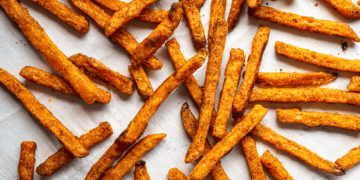
- Baked sweet potato fries — their natural sweetness contrasts the savoury, spiced patties.
- Steamed rice or quinoa — makes the meal more filling and soaks up extra tartar sauce.
- Lemon wedges — a squeeze of fresh lemon over the top just before eating brightens every bite.
Frequently Asked Questions
What does jackfruit taste like in crab cakes?
Young green jackfruit has an extremely mild, almost neutral flavour. It doesn’t taste like crab on its own, but once you mix it with Cajun seasoning, vegan mayo, lemon juice, and capers, it takes on a savoury, briny flavour profile that genuinely resembles seasoned crab cake filling. The real magic is in the texture — shredded jackfruit is stringy and flaky, which is what makes it such an effective crab meat substitute.
Why are my vegan crab cakes falling apart?
The most common reason is excess moisture in the jackfruit. After rinsing, you need to squeeze the jackfruit firmly in a clean kitchen towel until it’s as dry as possible. The second most common culprit is not enough breadcrumbs — if the mixture feels loose after adding half a cup, add more one tablespoon at a time until it holds its shape. Chilling the formed patties for 15 minutes before cooking also helps significantly.
Can I bake these instead of frying?
Yes, and the recipe includes instructions for both methods. Bake at 425°F / 220°C (200°C fan-forced) for about 10 minutes per side. Baked patties will be lighter and slightly less crispy than fried ones, but they hold together better because you handle them less. Lightly spraying the tops with cooking oil before baking helps achieve a golden colour.
Where can I find canned jackfruit?
Canned young green jackfruit is available at most Asian grocery stores, health food stores like Whole Foods, and online retailers. Make sure you buy jackfruit in brine or water, not in syrup. The syrup-packed variety is ripe jackfruit meant for desserts and will be far too sweet for this recipe.
How do I make these gluten-free?
Replace the dry breadcrumbs with gluten-free panko breadcrumbs or finely crushed gluten-free crackers. Use the same quantities. Check that your Cajun seasoning blend is also certified gluten-free, as some blends contain anti-caking agents with wheat-derived ingredients.
Can I make the tartar sauce ahead of time?
Absolutely — in fact, the tartar sauce improves with time. Make it up to 2 days ahead and store it in a sealed jar in the fridge. The flavours meld together and the sauce thickens slightly, which makes it even better for dipping or spooning over the crab cakes.
The History Behind Crab Cakes
Traditional crab cakes have deep roots in Chesapeake Bay cuisine, where they’ve been a staple since at least the late 1800s. Maryland-style crab cakes are famously simple — lump crab meat bound with just enough filler to hold together, seasoned with Old Bay or similar spice blends, and pan-fried until golden. The less filler, the more prized the cake.
Veganising a crab cake might seem like a stretch, but it follows a long tradition of plant-based cooks reimagining seafood dishes. Jackfruit became widely popular as a meat substitute around 2015-2016, initially gaining fame as a pulled pork alternative. Its adoption into crab cake recipes was a natural evolution — once cooks realised the shredded texture could convincingly mimic flaked seafood, the possibilities opened up. These vegan crab cakes honour the spirit of the original while making the dish accessible to anyone avoiding animal products.
If you try these vegan crab cakes, I’d love to hear how they turned out for you — drop a star rating and leave a comment below to help other cooks find this recipe!


