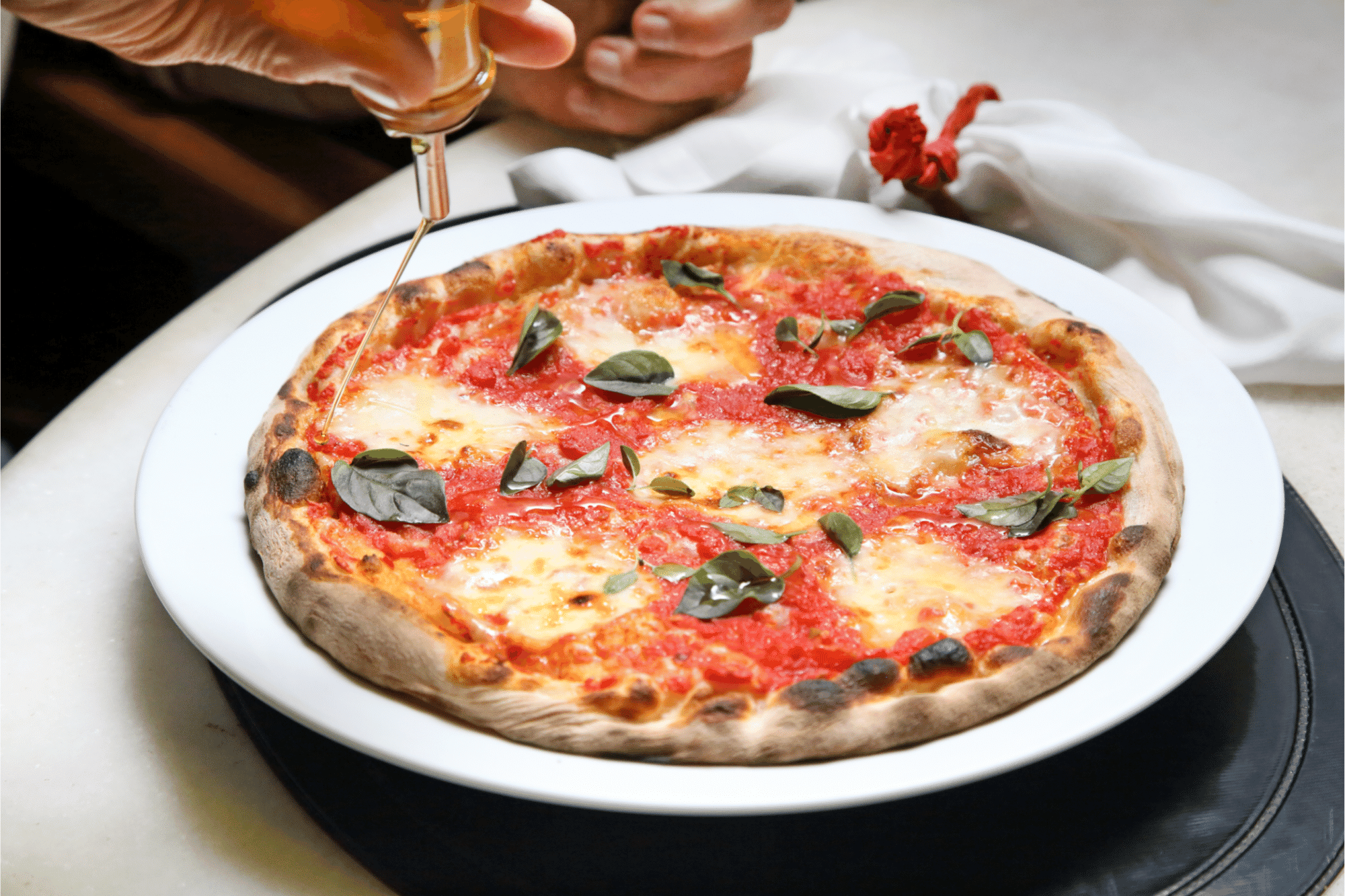


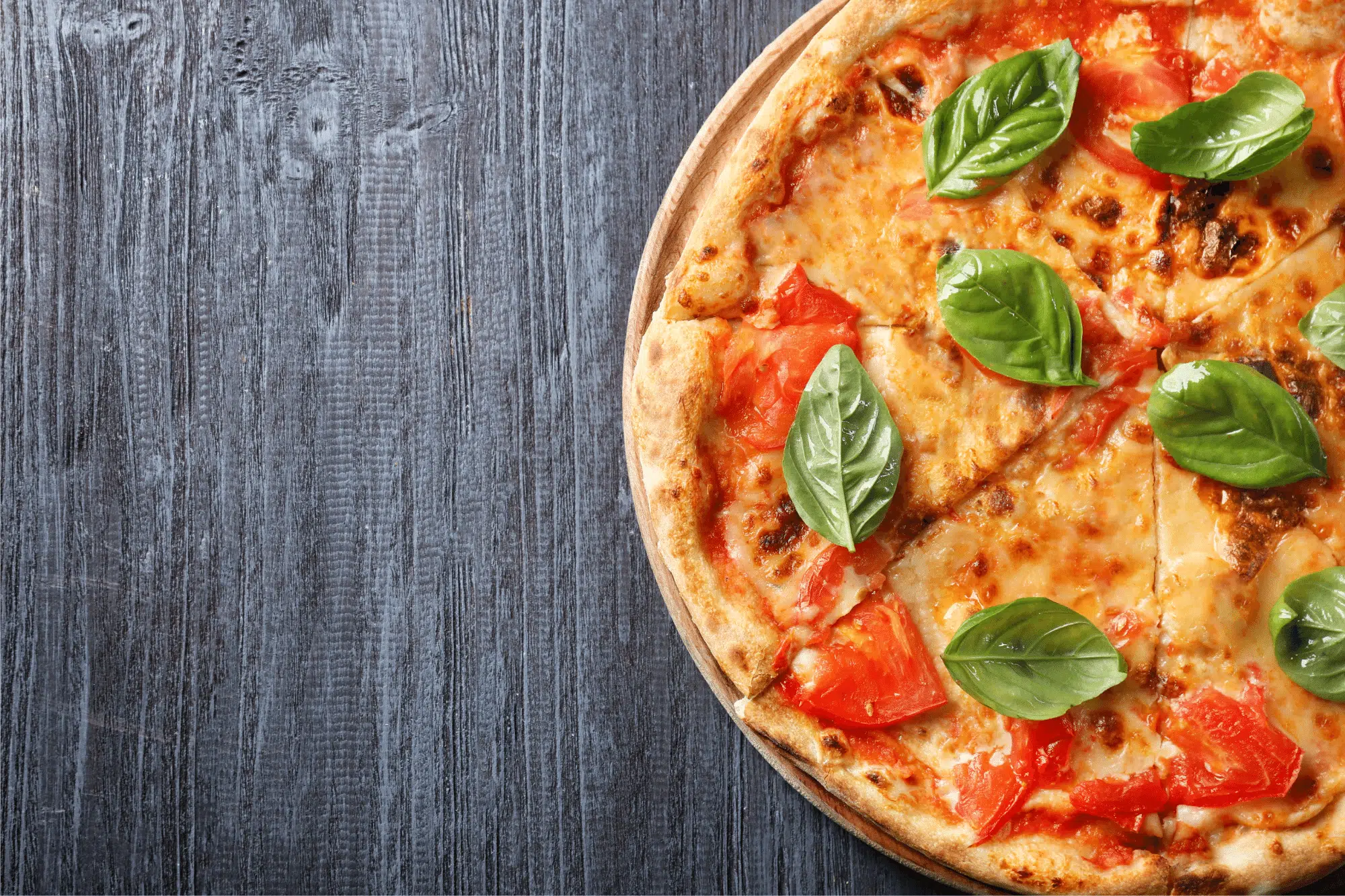
This tomato basil white pizza is one of those recipes that looks and tastes like you put in serious effort, but it comes together in about 20 minutes. Instead of a traditional red sauce, you spread a layer of Italian cheese and herb cooking cream over the crust — it turns rich and bubbly in the oven and gives the whole pizza a creamy, savoury backbone.
From there it’s all about keeping things fresh and simple:
- Thinly sliced ripe tomatoes that soften just enough in the heat
- Torn fresh basil that perfumes every bite
- Mozzarella and feta — the mozzarella melts into stretchy pools while the feta adds sharp, salty contrast
I originally spotted the idea on Pinterest and tweaked it by cranking the oven to 450°F for a crispier crust and adding feta because, honestly, feta makes everything better. If you need a fast pizza that feels a little more elegant than delivery, this is the one to make tonight.
Tomato Basil White Pizza (Ready in 20 Minutes)
Equipment
- Large baking sheet or pizza stone
- Sharp chef’s knife
- Cutting board
- Offset spatula or butter knife
- Paper towels
Ingredients
- 1 12-inch pizza crust pre-made
- ½ cup Italian cheese and herb cooking cream such as Philadelphia or similar herb cream cheese spread
- 1 medium tomato thinly sliced
- 8 small basil leaves fresh, torn into pieces
- ½ cup mozzarella cheese shredded
- ¼ cup feta cheese crumbled
Instructions
- Position an oven rack in the centre of the oven. Preheat to 450°F / 230°C (210°C fan-forced).
- Place the pizza crust on a large baking sheet or preheated pizza stone. Spread the cooking cream evenly over the crust, leaving a ½-inch (1cm) border around the edge. Arrange the tomato slices in a single layer over the cream. Scatter the torn basil leaves, shredded mozzarella, and crumbled feta evenly over the top.
- Bake for 10–12 minutes until the cheese is melted and bubbling with golden-brown spots and the crust edges are crisp. Let cool for 2 minutes before slicing into 6 pieces.
Nutrition
What Makes This Tomato Basil White Pizza Special
Most white pizzas rely on ricotta or a plain olive oil base, which can feel heavy or one-note. This version uses an Italian cheese and herb cooking cream as the sauce — it melts into a silky, herbaceous layer that clings to the crust and carries the toppings beautifully.
The magic is in the contrast. You get the creamy, savoury base against the bright acidity of fresh tomato slices, the aromatic pop of torn basil, and a duo of cheeses that work completely differently: mozzarella for stretch and melt, feta for sharp, salty punch. It’s a five-ingredient pizza that tastes like it came from an artisan kitchen.
At 450°F / 230°C, the high heat crisps the crust edges while the toppings stay fresh and vibrant — you’re not cooking the life out of the tomatoes or basil. Everything finishes in 10–12 minutes.
Equipment You’ll Need
- Large baking sheet or pizza stone — essential for even heat distribution under the crust. A pizza stone gives you the crispiest base, but a sturdy baking sheet works perfectly. Placing pizza directly on the oven rack risks dripping and uneven cooking.
- Sharp chef’s knife — you need paper-thin, even tomato slices so they soften in the short bake time without releasing too much moisture.
- Cutting board — for slicing the tomato and tearing the basil.
- Offset spatula or butter knife — for spreading the cooking cream in an even layer right to the edge of the crust border.
- Paper towels — patting the tomato slices dry before topping is the single best thing you can do to prevent a soggy pizza.
Tips for Best Results
- Pat your tomato slices dry. Fresh tomatoes are full of water. A quick blot on both sides with a paper towel removes surface moisture so your cream base stays creamy, not watery.
- Slice the tomatoes as thin as possible. Aim for about 3mm thick. Thick slices won’t soften in the short 10-minute bake and will slide off when you try to eat.
- Tear the basil, don’t chop it. Tearing by hand prevents the leaves from bruising and turning black. It also releases more of the aromatic oils.
- Preheat fully. Give your oven a solid 15 minutes at 450°F / 230°C before baking. If you’re using a pizza stone, preheat it in the oven — a cold stone won’t crisp the bottom.
- Don’t overload the cheese. Half a cup of mozzarella is plenty. Too much cheese pools into a greasy layer that masks the fresh toppings.
Substitutions and Variations
- No Italian cooking cream? Mix ½ cup ricotta with 1 tablespoon olive oil, a minced garlic clove, and ½ teaspoon Italian seasoning. Spread it the same way.
- Swap the feta: Goat cheese crumbles work beautifully for a milder tang. Shaved Parmesan adds a nutty, salty bite instead.
- Use fresh mozzarella: Tear a 125g ball into small pieces for a more rustic, restaurant-style look with those gorgeous melted pools.
- Add protein: Scatter thin slices of prosciutto or cooked chicken over the pizza during the last 3 minutes of baking.
- Make it spicy: Drizzle chilli oil or scatter red pepper flakes over the finished pizza.
- Gluten-free crust: Swap in a shop-bought gluten-free pizza base — baking time stays the same.
Storage and Reheating
Leftover slices keep in an airtight container in the fridge for up to 2 days. Reheat in a skillet over medium heat with a lid on for 3–4 minutes — this re-crisps the bottom while melting the cheese back to life. Avoid the microwave; it turns the crust rubbery.
This pizza is not ideal for freezing. The fresh tomato slices release a lot of water when thawed, leaving you with a soggy base. If you want to meal-prep, assemble the crust with the cream and cheeses, freeze that, and add the tomato and basil fresh when you bake.
What to Serve With This
- Simple rocket salad — peppery rocket dressed with lemon juice and olive oil cuts through the richness of the cream base.
- Balsamic roasted vegetables — roasted courgettes, peppers, and red onion with a balsamic glaze complement the Italian flavours.
- Minestrone soup — a lighter cup of minestrone turns this pizza into a satisfying lunch pairing.
- Garlic bread — if you want to go all-in on carbs, a side of garlicky, buttery bread never hurts.
- Chilled white wine — a crisp Pinot Grigio or Sauvignon Blanc pairs perfectly with the creamy, herby flavours.
Frequently Asked Questions
What is white pizza?
White pizza (pizza bianca) skips the traditional tomato sauce and uses a cream-based, ricotta, or olive oil base instead. In this recipe, Italian cheese and herb cooking cream creates a rich, herby foundation. Fresh tomato slices are added as a topping rather than a sauce, so you still get tomato flavour without the acidity of cooked marinara.
Can I use a different pizza crust?
Absolutely. A shop-bought thin crust, naan bread, or even a tortilla all work. If using naan or tortilla, reduce the baking time to 6–8 minutes and watch closely since they brown faster. Homemade dough works too — just par-bake it for 5 minutes at 450°F / 230°C before adding toppings.
Why are my tomato slices making the pizza soggy?
Tomatoes hold a lot of moisture. The fix is simple: slice them thin and pat both sides dry with paper towels before placing them on the pizza. You can also lightly salt the slices and let them sit on paper towels for 10 minutes to draw out extra liquid before topping.
Can I make this without feta cheese?
Yes, the pizza works with just mozzarella. However, the feta adds a salty, tangy contrast that balances the rich cream base. If you skip it, consider adding a pinch of flaky sea salt or a drizzle of balsamic glaze after baking to compensate for the missing sharpness.
How do I get a crispier crust?
Three things make the biggest difference: preheat your oven fully for at least 15 minutes, use a pizza stone if you have one (preheated in the oven), and keep your toppings thin and light. A heavy layer of wet toppings steams the crust instead of letting it crisp. The 450°F / 230°C temperature in this recipe is already optimised for crunch.
A Little History of White Pizza
White pizza has roots in Rome, where pizza bianca has been a street food staple for centuries. The Roman version is simply focaccia-like dough brushed with olive oil and salt — no toppings at all. Over time, Italian and Italian-American cooks began adding ricotta, garlic, and fresh vegetables, creating the creamy white pizzas we know today. The combination of fresh tomato and basil on a white base is a modern twist that bridges the gap between a classic Margherita and a traditional pizza bianca — you get the iconic Italian tomato-basil pairing without the heaviness of a cooked sauce.
If you give this tomato basil white pizza a try, I’d love to hear how it turns out — drop a star rating and leave a comment below with your favourite topping combo!